

Lightning protection is far more than just a technical addition to a building – it is a vital safety measure, designed to shield structures and everyone inside them from the devastating force of direct or indirect lightning strikes. It is a safeguard that matters across every sector – and its importance can never be overstated.
Where should lightning protection be considered?
The honest answer is almost anywhere – but especially at churches, hospitals, care homes, schools, industrial units, offices, emergency service stations and energy facilities.
In truth, it applies wherever the consequences of a strike could be serious. The need becomes critical when any of four nationally recognised risk factors come into play: risk to human life; loss of essential public services; damage to cultural heritage; or significant economic harm through fire, electrical failure or business disruption. These criteria are rooted in the UK’s official lightning protection standard BS EN 62305.
So how does a proper system actually work? It is built around five core elements working together.
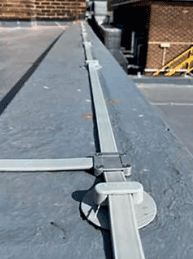
First is the air termination network – a protective arrangement on the roof, often forming what is known as a Faraday cage, using conductive tapes, rods or masts to intercept a strike before it can do harm. Positioned at corners, ridges and exposed points, this network ensures lightning is caught at the highest point – exactly where it would otherwise cause the most damage.
Second come down conductors – providing a safe, direct path for lightning current to travel from roof level all the way to the ground. Routed along the exterior with minimal bends, these conductors ensure the powerful energy follows the quickest, safest route away from the building fabric and its occupants.
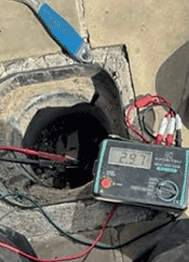
Third is the earth termination network, which dissipates that powerful energy safely into the ground through earth rods, plates, mats or ring conductors buried below ground. This is where the strike’s energy finally disperses – the deeper and more robust the network, the more effective the protection.
Fourth is equipotential bonding – connecting the lightning protection system to the building’s main earthing terminal, preventing dangerous voltage differences that could cause shock, fire or damage to equipment. Every major metal service – pipes, frames, trays – is tied to one common reference point so no dangerous jumps of electricity can occur.
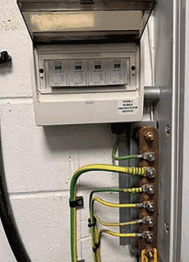
Fifth are surge protection devices, known as SPDs – required under BS 7671 – which safeguard internal electrical systems including communications, lighting, CCTV and EV charging points from the surges that travel along power and data cables even when the strike is miles away.
There are two main system types to know about.
Non-isolated systems serve most standard buildings, while isolated systems are designed specifically for sites with combustible or explosive risks – such as flour mills, bakeries and gas plants. Every stage of design and installation is governed by clear standards: BS EN 62305 Parts 1-4, BS EN 62561 for components, BS EN 61643 for surge protection and BS 7671 covering electrical regulations.
Before any work begins, however, there is one essential first step: a formal lightning protection risk assessment. This calculates exactly what level of protection is needed – or whether it is required at all – ensuring everything that follows is proportionate, fully compliant and based on measurable facts rather than guesswork.
Finally, it must always be remembered that lightning protection is a specialist discipline. It must be designed, installed and maintained only by properly trained and qualified professionals.
The standards are complex and the stakes could not be higher – lives, heritage and livelihoods depend on getting it right. When complete, a good system is barely seen – doing its vital work quietly in the background, preserving both the building’s character and the people within it.
• Article courtesy of www.lightning-protectionuk.com.