



Current Issue

Protecting our heritage from the unexpected: why lightning protection should be high on every church's agenda
 Churches have stood at the heart of our communities for centuries, surviving wars, storms and the passage of time. Yet one of the greatest threats to these treasured buildings can arrive in an instant. Every year, lightning strikes cause fires, structural damage and costly disruption to historic buildings across the UK, making effective lightning protection an essential part of responsible church stewardship.
For churchwardens, PCC members, diocesan surveyors, architects and heritage professionals, lightning protection is no longer simply a technical consideration. It is a matter of protecting lives, preserving irreplaceable heritage and ensuring the continued use of buildings that serve their communities.
Modern guidance identifies four key questions when assessing whether a building requires lightning protection. Would a lightning strike risk loss of life? Could it interrupt important public services? Might it damage an important piece of cultural heritage? Could it result in significant financial loss? If the answer to any of these questions is "yes", then a formal risk assessment should be undertaken to determine the level of protection required.
 Historic churches are particularly vulnerable. Their lofty towers and spires naturally attract lightning, while ancient timber roof structures, priceless stained glass, historic organs and irreplaceable archives can all be put at risk by a single strike. Even where there is no direct fire, electrical surges can damage alarm systems, heating controls, CCTV, communication networks and other essential equipment.
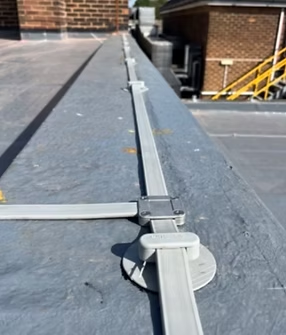
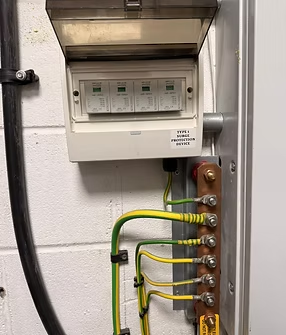
A professionally designed lightning protection system provides a controlled route for lightning energy to pass safely into the ground, preventing it from travelling through the building itself. The five principal elements include an air termination network, down conductors, an earth termination system, equipotential bonding and surge protection devices that safeguard sensitive electrical installations. Together they create a comprehensive defence against both direct strikes and associated power surges.
One common misconception is that all lightning protection systems are identical. In reality, the British Standard BS EN 62305 specifies four protection levels, with Level I providing the highest degree of protection rather than Level IV. The correct level depends upon a detailed risk assessment considering the building's size, construction, occupancy and heritage significance.
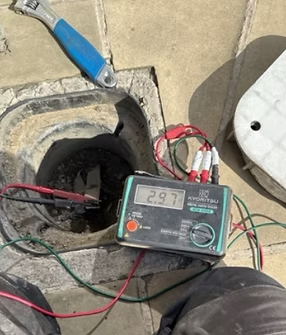 Importantly, the standard also makes clear that the design, installation, inspection and maintenance of lightning protection systems should be carried out by trained and qualified specialists. Regular inspection is equally important. Like any safety system, lightning protection should not simply be installed and forgotten. Corrosion, alterations to roofs and building extensions can all affect performance over time, making periodic testing an essential part of planned maintenance.
For churches and heritage buildings, investment in lightning protection is about far more than compliance. It is an investment in resilience. The cost of a professionally designed system is insignificant when compared with the potential loss of an irreplaceable medieval roof, historic interior or the disruption caused by a devastating fire.
As congregations and heritage organisations continue to invest in conserving Britain's remarkable ecclesiastical buildings, ensuring they are properly protected against lightning should form an integral part of every maintenance strategy. After all, while we cannot prevent the storm, we can ensure our most treasured buildings are prepared to withstand it.
Article courtesy of www.lightning-protectionuk.com
VISIT OUR ASSOCIATED SITES