




Current Issue
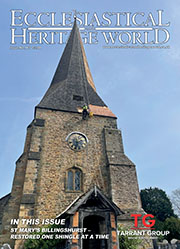

Heritage Roofing
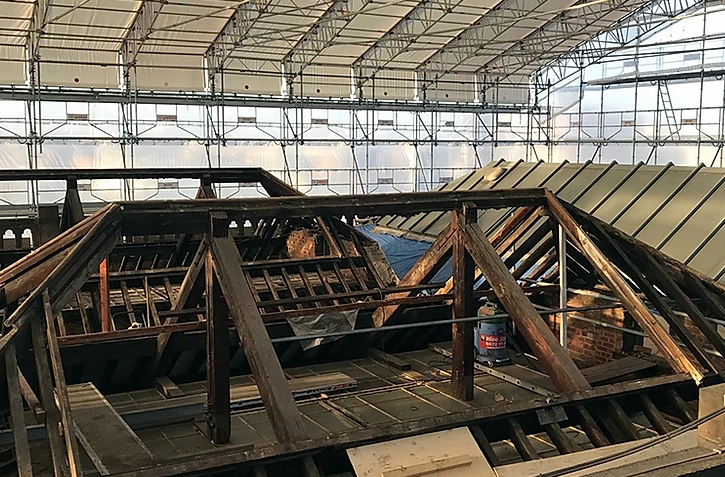
Heritage roofing - maintaining our iconic buildings
The UK is home to some of the most iconic buildings in the world, from stunning churches and cathedrals to historic stately homes. Each and every one of these remarkable feats of architecture requires regular maintenance to ensure they remain in the very best condition, allowing them to be enjoyed for generations.
Cathedral Care
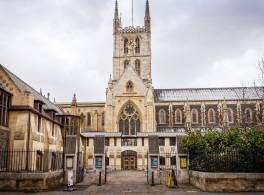
Restoration and upkeep of cathedrals
There are some 42 Anglican cathedrals in the UK, not to mention 20 or so Catholic cathedrals. Cathedrals form the most important collection of historic buildings in England. The largest and most ancient are internationally famous, the smallest are usually among the most significant buildings in their region and even the most recent are architectural masterpieces.
Master Craftsmen

Championing our heritage with modern craftsmanship
Twenty years ago, English Heritage (now Historic England) published its first-ever Register of Buildings at Risk across England, which featured nearly 2,000 buildings and monuments that were ‘neglected, broken and unloved’. Recently Historic England was delighted to announce that over two-thirds of those buildings were now safe, in both urban and rural areas right across the country.
Lightning Protection
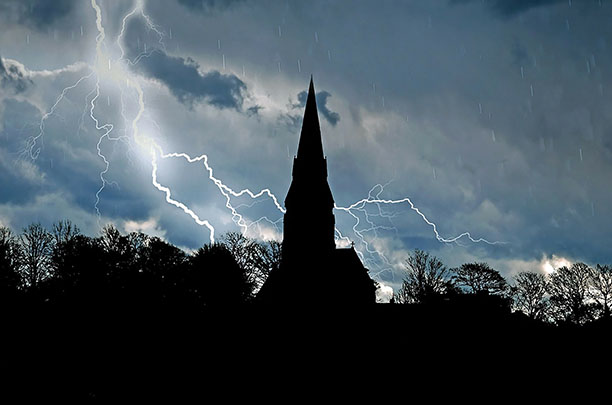
When lightning strikes are you protected against this act of God?
The issue of lightning protection in churches is one that has exercised this publication for many years. In this four-part series of spotlights on the issue we will be revisiting various aspects of the subject, beginning with an overview of current thinking.
Traditional Lime
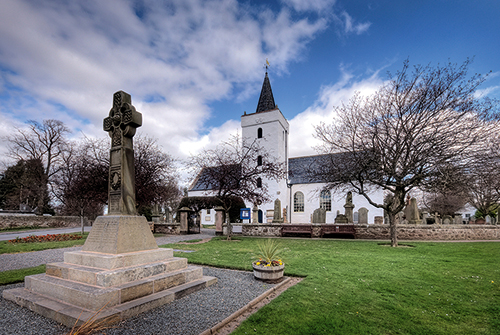
Lime: it’s better for buildings – and for the environment
It is now fairly well known that cement is not good for old buildings and that lime mortar should be used. But why? What are the advantages and what are the disadvantages? In order to begin to answer those questions it is necessary to understand the nature of traditional building, the process by which buildings used to be built, and how it differs from modern construction, the process by which we build today.
Audio Visual

Audio visual equipment in church buildings
This guidance is issued by the Church Buildings Council under section 55(1)(d) of the Dioceses, Mission and Pastoral Measure 2007. As it is statutory guidance, it must be considered with great care. The standards of good practice set out in the guidance should not be departed from unless the departure is justified by reasons that are spelled out clearly, logically and convincingly.
Read More...







Heritage Funding
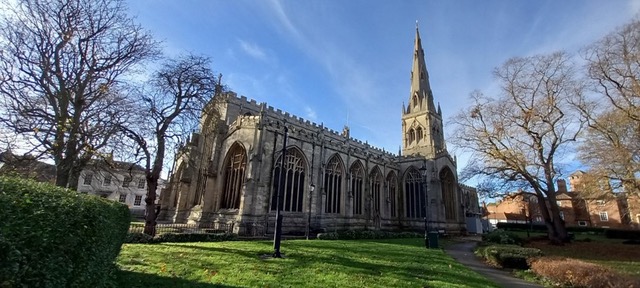
£48m heritage funding opens for churches and historic buildings
Part of £1.5 billion government investment in cultural organisations over a five-year period
Thousands of churches and historic buildings across England could benefit from a major new £48 million funding package aimed at urgent repairs, regeneration projects and wider community use.
CRE Events

Christian Resources Exhibition enters a new chapter as Church Resources Exhibition
The Christian Resources Exhibition (CRE), the UK’s largest church-related show, has changed hands in its 40th year and has been taken over by Quartz Business Media.
Insurance
You need to ensure that reasonable precautions are in place at your church to keep it safe for those who use it. To do this, you need to think about what might cause harm to people.
You will then need to decide if the precautions already in place are adequate. If they are not, you may need to identify further action to prevent any danger. When done formally, this is known as a risk assessment.
Church Maintenance
Church maintenance and repair: Calendar of Care
Just as prevention is always better than cure, maintenance is preferable to major repairs. But, such repairs may not always be avoidable. Church Care offers a monthly guide in our coming issues Starting in Spring
We can help you understand the common problems and areas that need your special attention, and give you tips for regular maintenance schemes.
Pest Control
Michael Palin warns of pest threat to churches
Michael Palin is supporting the future of the UK’s historic churches and chapels with a voiceover for a new animated film. The 80 second animation, produced for the National Churches Trust, highlights why churches are some of the nation’s best loved buildings.
Town Halls
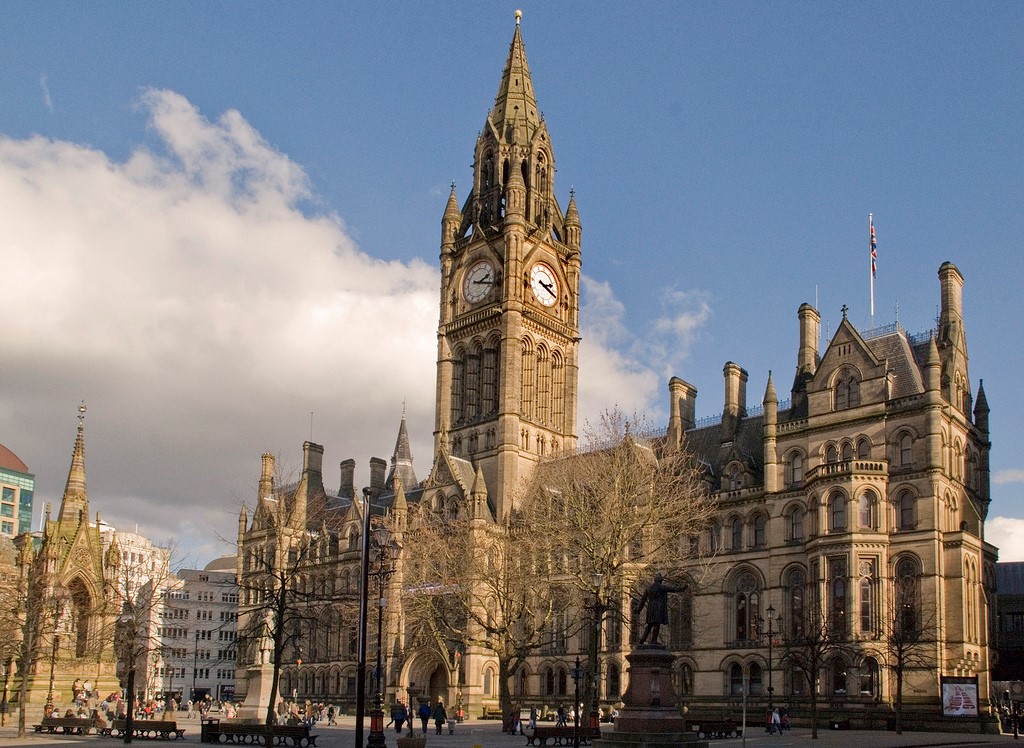
The history of the great Victorian Town Halls of Northern England
From industrial squalor to civic pride, the story behind some of the most impressive buildings of the North involve a unique mix of economics, grand designs and noble sentiments within communities.
Lead Roofing
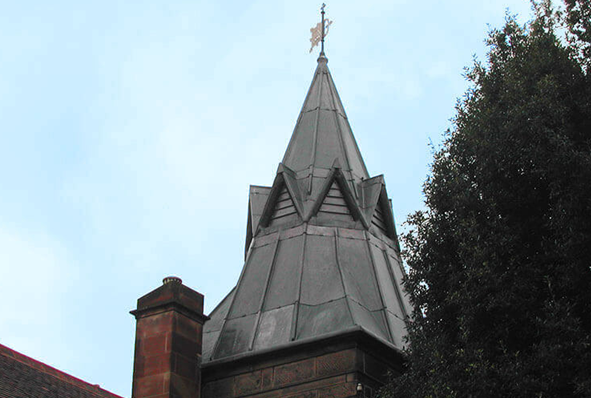
Lead is one of the oldest materials in the roofing industry and is still commonly used throughout the world today.
Lead roofing is a traditional roofing method which has been used in the industry for hundreds of years, and is therefore proven to be extremely reliable. Lead roofing, and sand-cast lead, in particular is ideal for old buildings such as churches or historical renovations, whereas milled lead roofing is a mass-produced alternative, used for precision and accuracy in homes and commercial buildings alike.

SEARCH OUR DIRECTORY
Privacy
This website is owned and operated by DMM Hosting Ltd. Registered Office: Suite G13 Cheadle Place, Stockport Road, Cheadle SK8 2GL
The company is registered with the Information Commissioner's Office - Certificate No Z3480374.
This privacy policy sets out how we use and protect any information that you may give when you use this website.
Purpose
The purpose of the site is to provide a platform for companies and individuals supplying the heritage and ecclesiastical sector to offer their services to visitors, who are predominantly those in charge of maintaining and restoring heritage and listed properties, and purchasing ongoing ecclesiastical fabric and resources. The information displayed in each entry consists of the name, address, phone number, email address and website of each supplier, plus additional information on their particular areas of expertise.
Should you apply to be listed on this site via our online application form your data will not be used without first obtaining your specific consent.
We are committed to ensuring that your privacy is protected. Should we ask you to provide certain information by which you can be identified when using this website, then you can be assured that it will only be used in accordance with this privacy statement.
Security
We are committed to ensuring that your information is secure. In order to prevent unauthorised access or disclosure, we have put in place suitable physical, electronic and managerial procedures to safeguard and secure the information we collect online.
How we use cookies
A cookie is a small file which asks permission to be placed on your computer's hard drive. Once you agree, the file is added and the cookie helps analyse web traffic or lets you know when you visit a particular site. Cookies allow web applications to respond to you as an individual. The web application can tailor its operations to your needs, likes and dislikes by gathering and remembering information about your preferences.
We use traffic log cookies to identify which pages are being used. This helps us analyse data web page traffic and improve our website in order to tailor it to customer needs. We only use this information for statistical analysis purposes and then the data is removed from the system.
Overall, cookies help us provide you with a better website, by enabling us to monitor which pages you find useful and which you do not. A cookie in no way gives us access to your computer or any information about you, other than the data you choose to share with us.
You can choose to accept or decline cookies. Most web browsers automatically accept cookies' but you can usually modify your browser setting to decline cookies if you prefer. This may prevent you from taking full advantage of the website.
Links to other websites
Our website may contain links to other websites of interest. However, once you have used these links to leave our site, you should note that we do not have any control over that other website. Therefore, we cannot be responsible for the protection and privacy of any information which you provide whilst visiting such sites and such sites are not governed by this privacy statement. You should exercise caution and look at the privacy statement applicable to the website in question.
Controlling your personal information
We do not hold any sensitive personal data such as credit/debit card information.
We will not sell, distribute or lease your personal information to third parties unless we have your permission or are required by law to do so. You may request details of personal information which we hold about you under the Data Protection Act 1998.
If you believe that any information we are holding on you is incorrect or incomplete, please contact us as soon as possible. We will promptly correct any information found to be incorrect.
Heritage Roofing Gallery
A gallery showcasing some of the very best in heritage roofs including: Zinc - Tiles - Mastic Asphalt - Lead - Steel - Copper - Slates
Slates
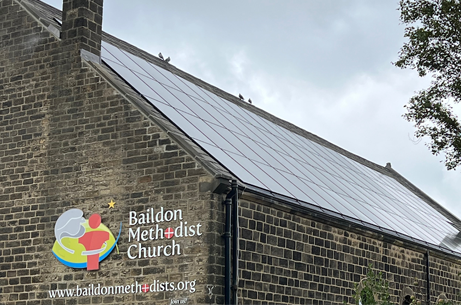
Re-roof and solar installation at Baildon Methodist Church
www.greenandheritage.uk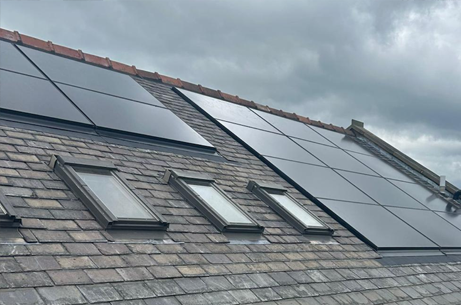
Re-roof and solar installation at Baildon Methodist Church
www.greenandheritage.uk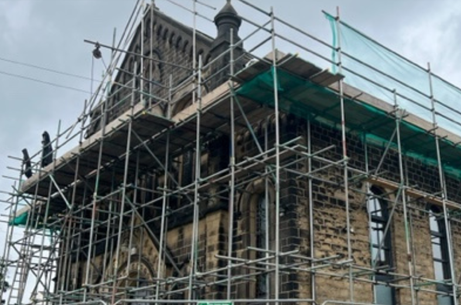
Re-roof and solar installation at Baildon Methodist Church
www.greenandheritage.uk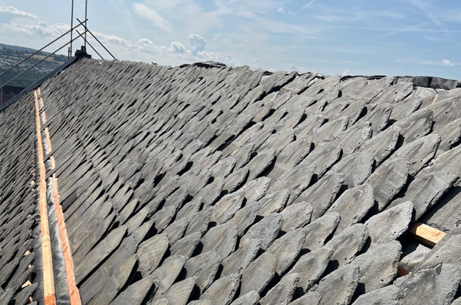
Re-roof and solar installation at Baildon Methodist Church
www.greenandheritage.uk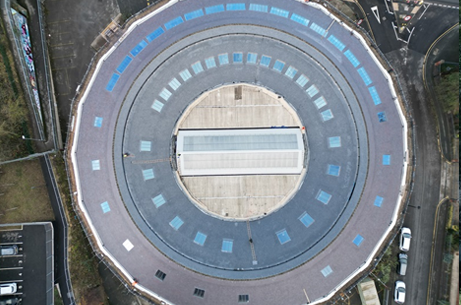
Winner of the NFRC Award for the Slating Category: Martin-Brooks (Roofing Specialists) Ltd for The Roundhouse, Leeds
www.martin-brooks.co.uk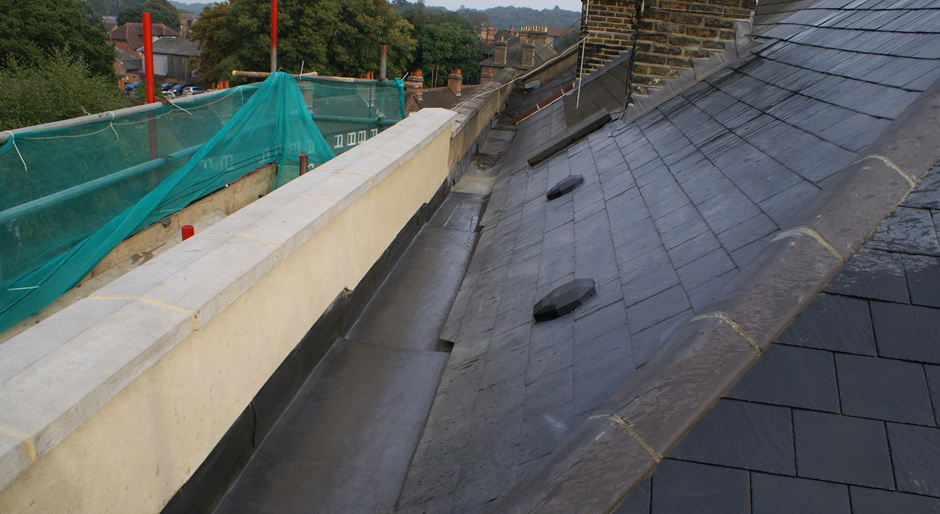
Slating by MP Hare Heritage Works
www.mphareheritageworks.com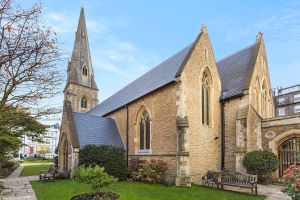
Cwt-y-Bugail Welsh Slate fitted on Christ Church Kensington by USL team. Project included re-roofing, leadwork, and rainwater goods. Stunning dark blue-grey texture.
www.universalstone.co.uk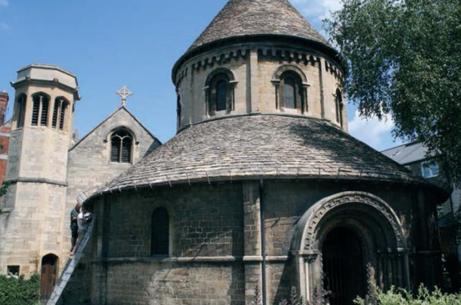
Stonesfield slate fitted on the Church of the Holy Sepulchre - or Round Church - by Claude N Smith Ltd.
www.claudesmith.co.uk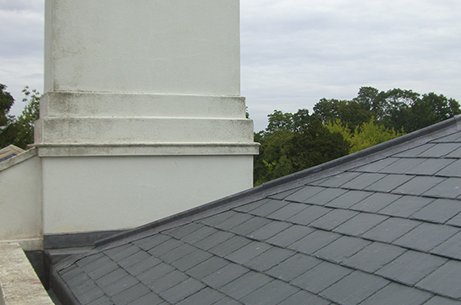
Best quality Chinese Slate, Bayes Roofing Suffolk.
www.bayesroofing.co.uk
Lead
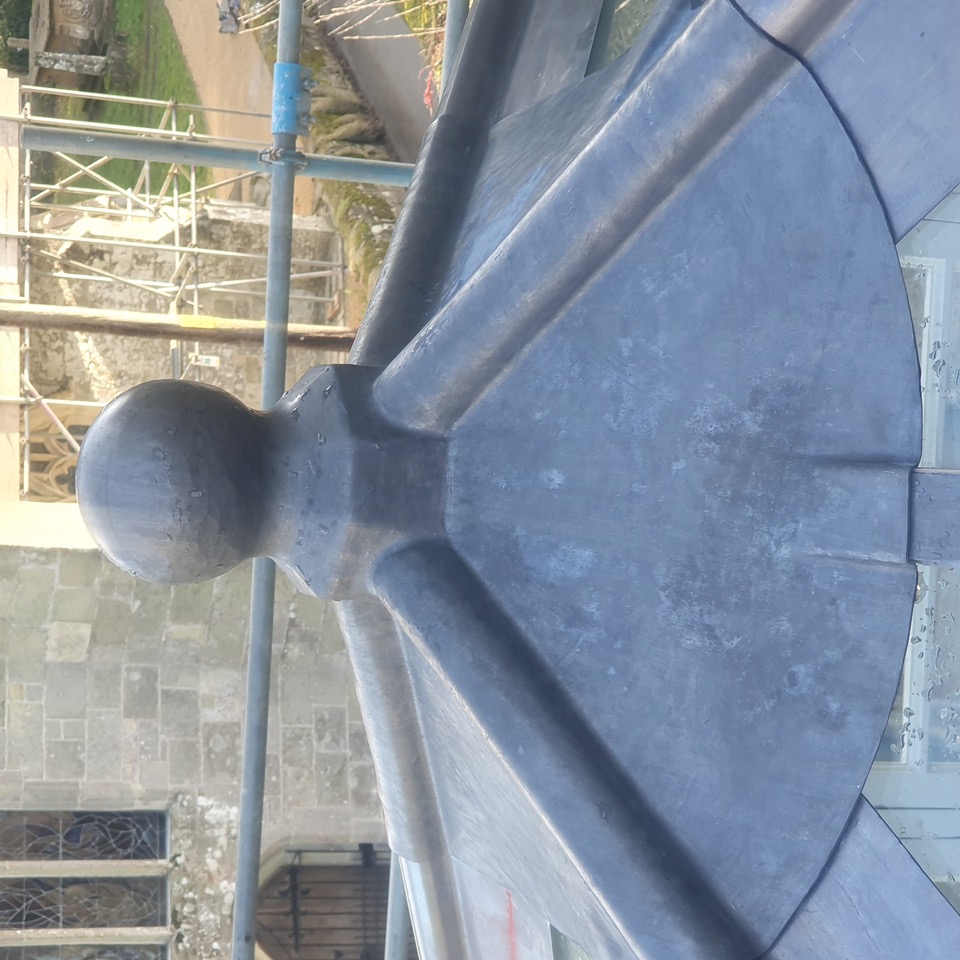
Fully bossed lead finial at Donhead St Andrew.
www.jacksondixroofingltd.co.uk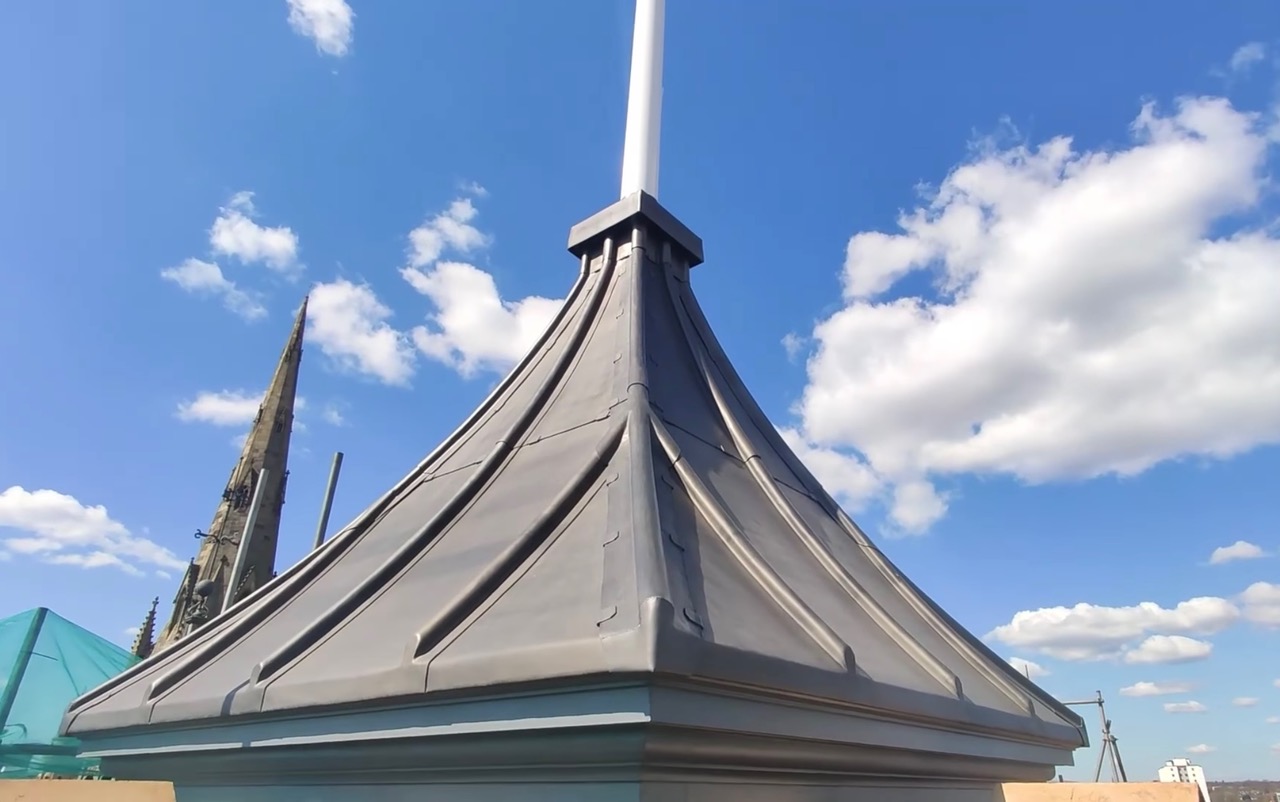
Capola at Salford Diocese.
www.jacksondixroofingltd.co.uk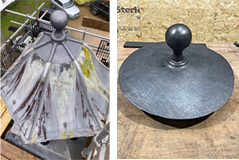
Fully bossed lead finial at Avebury Manor.
www.jacksondixroofingltd.co.uk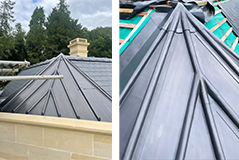
Pitched lead roof at Manor House project.
www.jacksondixroofingltd.co.uk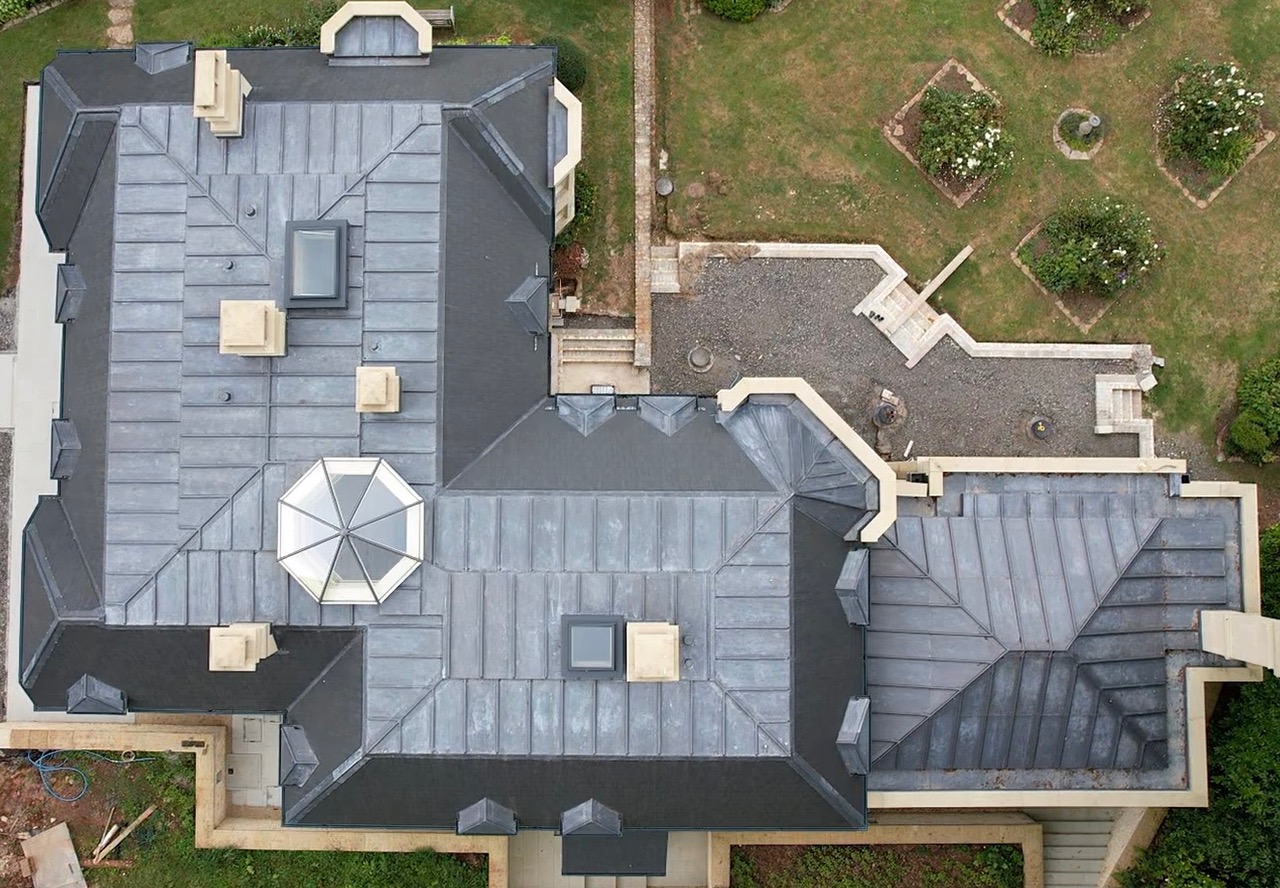
Murdock Award Winning Manor House project.
www.jacksondixroofingltd.co.uk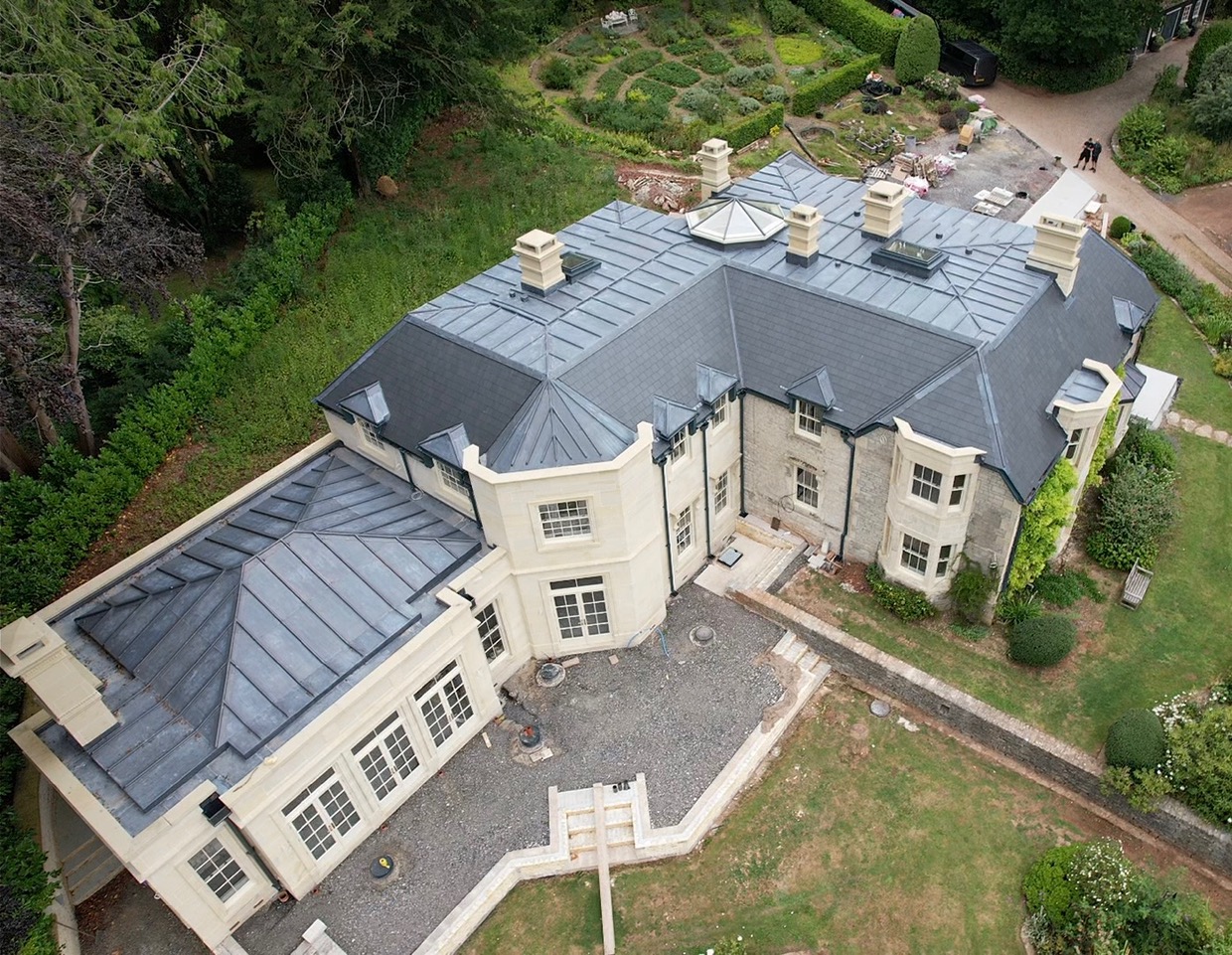
Murdock Award Winning Manor House project.
www.jacksondixroofingltd.co.uk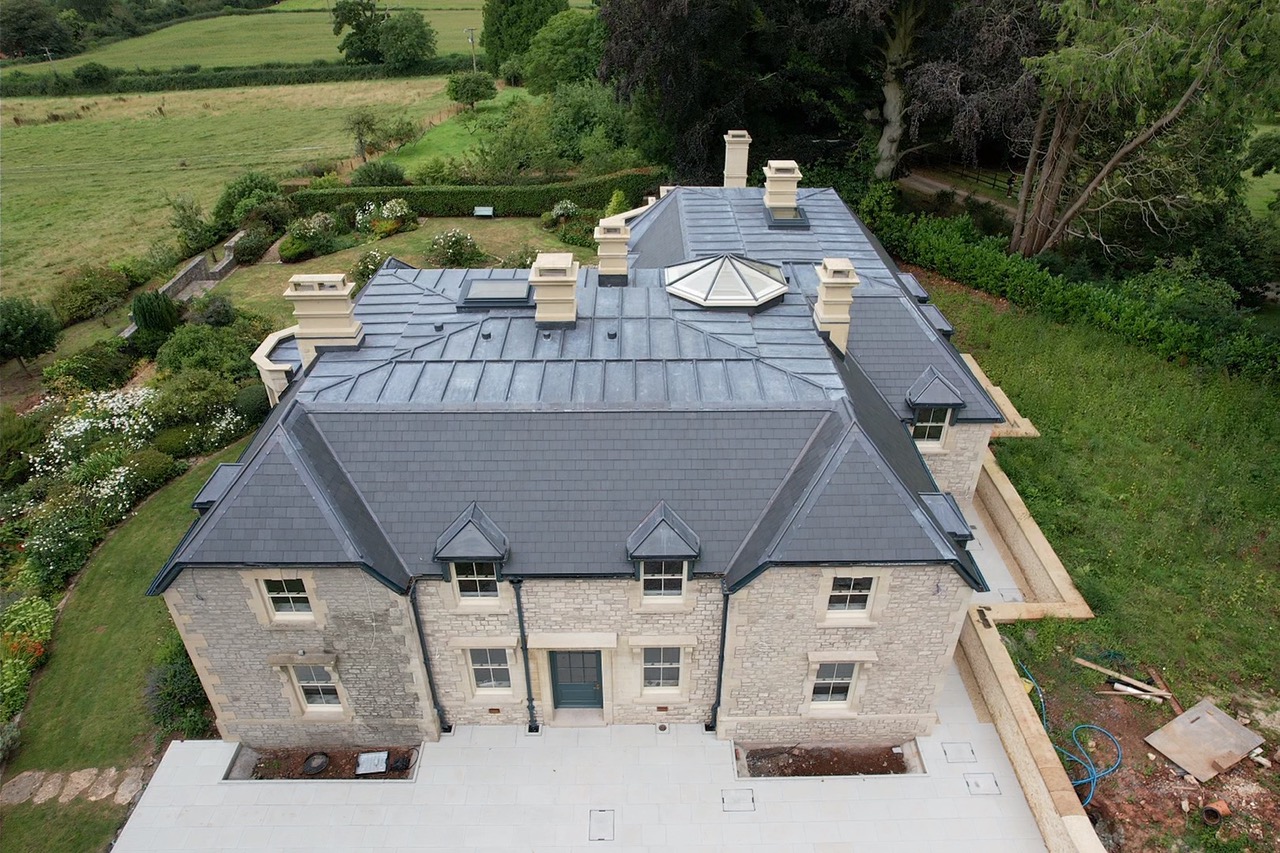
Murdock Award Winning Manor House project.
www.jacksondixroofingltd.co.uk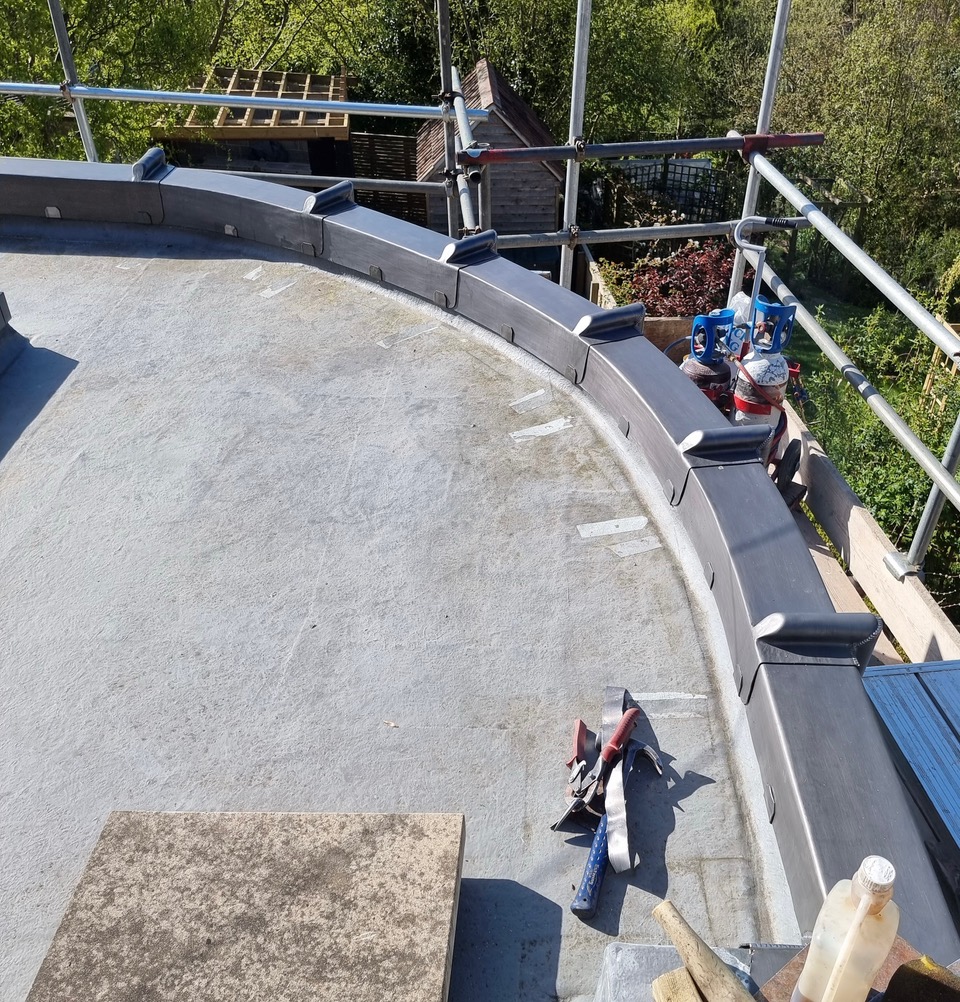
Bespoke vertical cladding using Woodcore roll.
www.jacksondixroofingltd.co.uk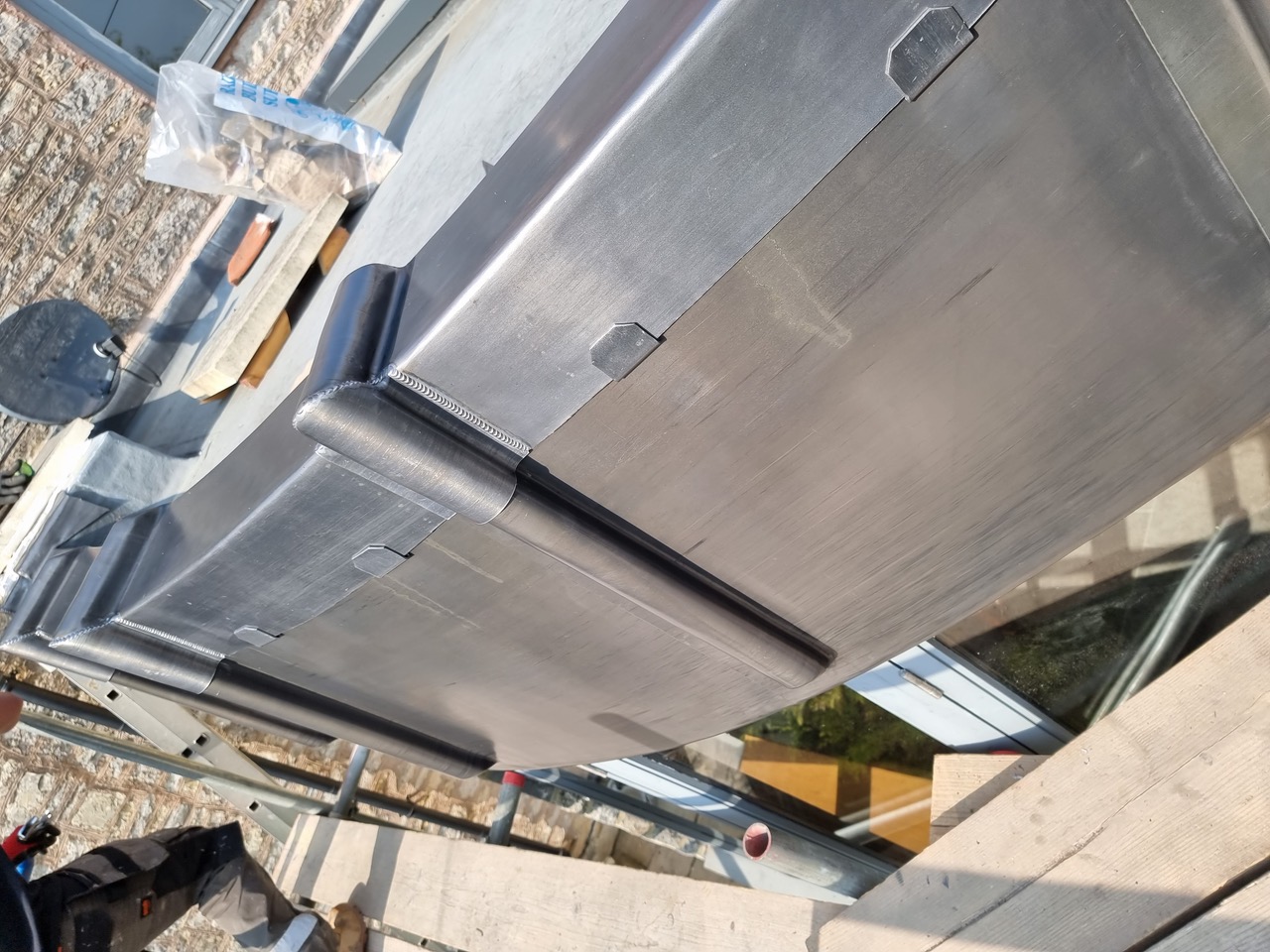
Bespoke vertical cladding using Woodcore roll.
www.jacksondixroofingltd.co.uk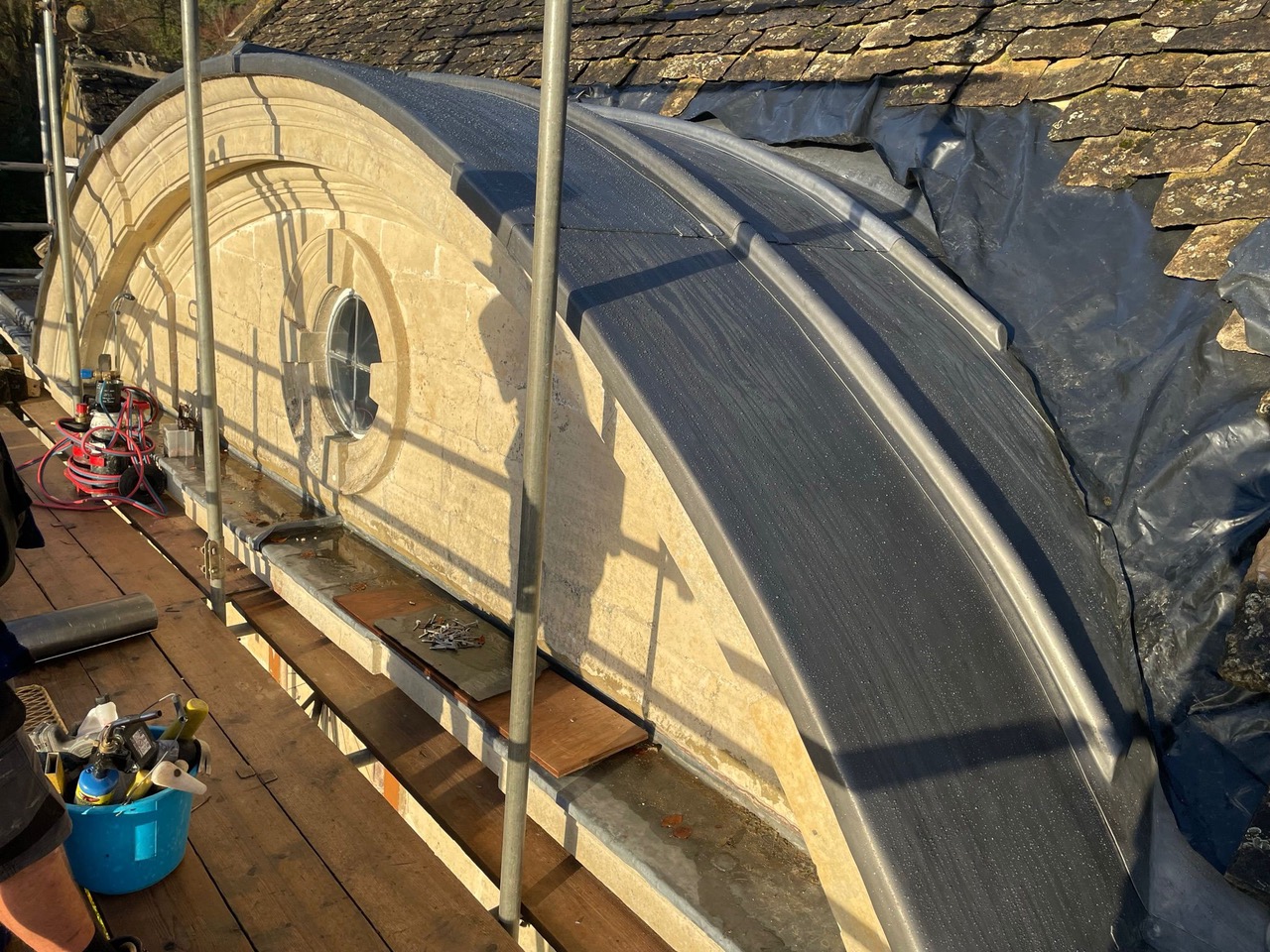
Barrell topped dormer at a Manor House in Stroud.
www.jacksondixroofingltd.co.uk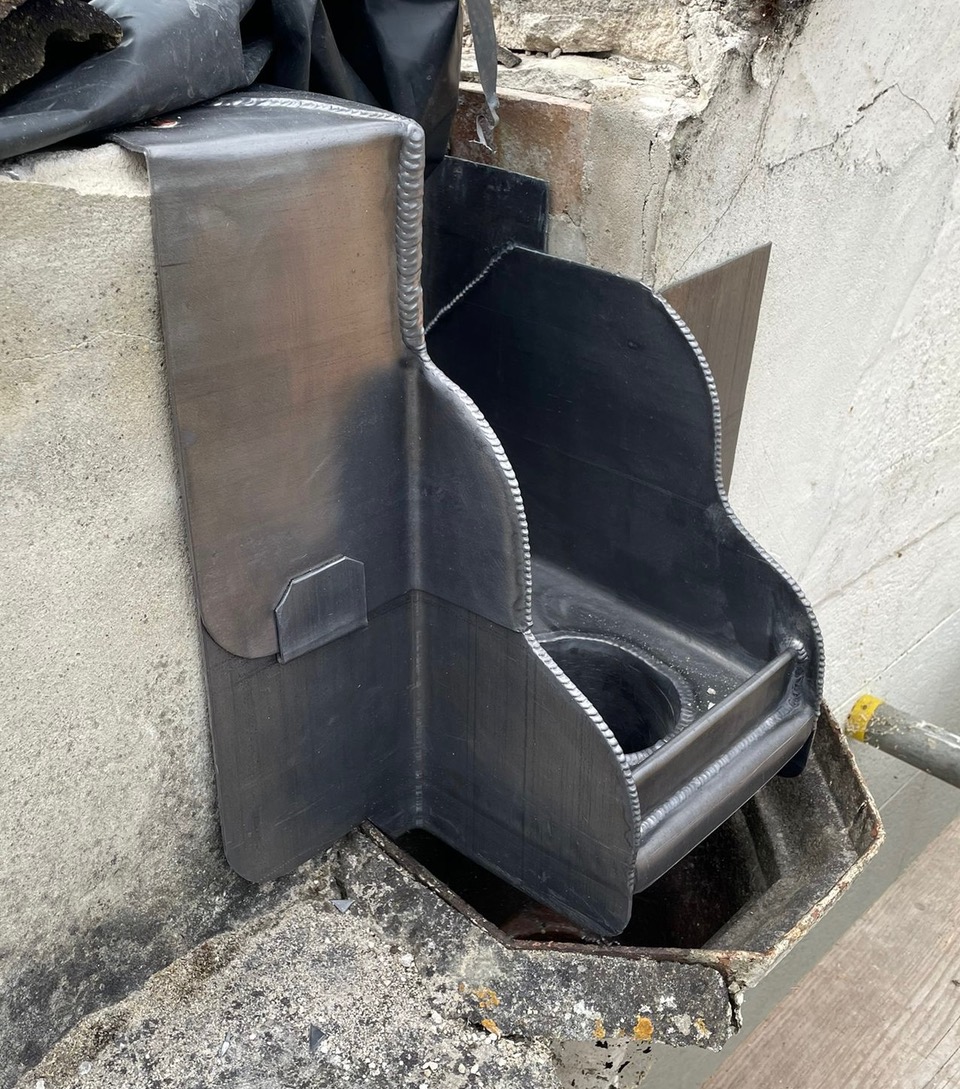
Welded outlet detail at a project in Somerset.
www.jacksondixroofingltd.co.uk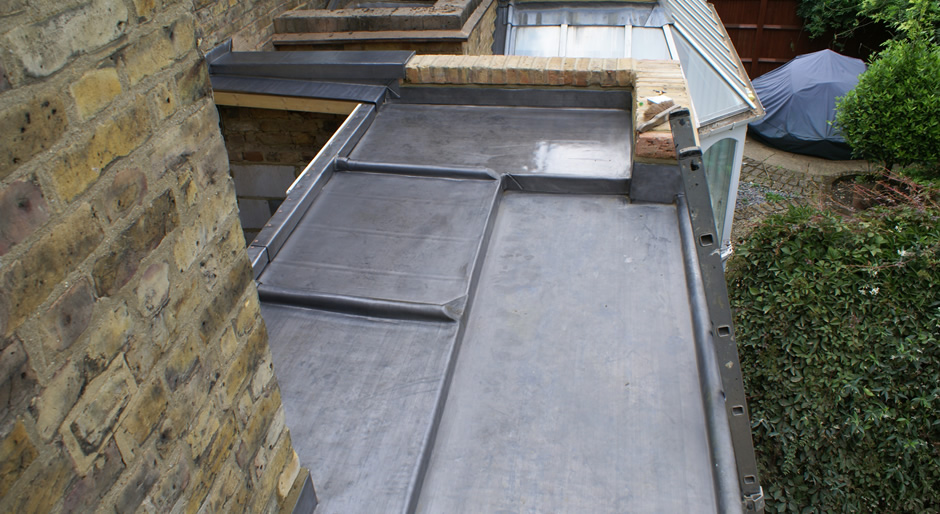
Leadwork by MP Hare Heritage Works
www.mphareheritageworks.com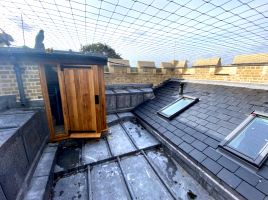
Fine example of leadwork and roofing project from USL at St Mary the Less in Thetford, Norfolk. This Grade II* church received extensive tower repairs including new roof covering, leadwork, and rainwater goods.
www.universalstone.co.uk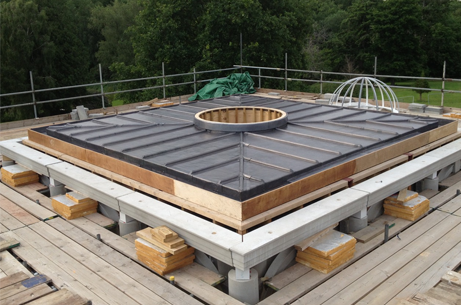
Roof Pavilion in Burwash, Sussex by Crown Leadwork
www.crownleadwork.co.uk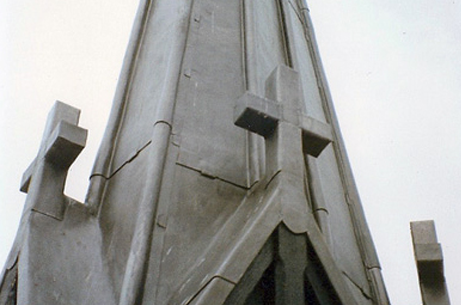
Stylish leadwork on the Swedish Seaman’s Mission In Liverpool by North West Metal Roofing Ltd
www.nwmetalroofing.co.uk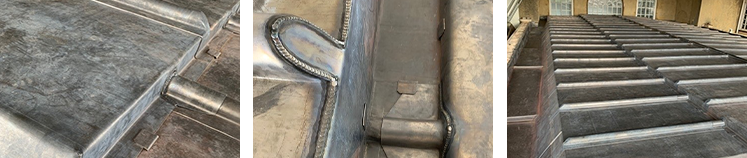
Fine craftsmanship lead roofing by Sussex Leadcraft Ltd using Code 6,7,8,9, and 10 lead at the Grade 1 listed Reigate Priory School.
For further information contact This email address is being protected from spambots. You need JavaScript enabled to view it.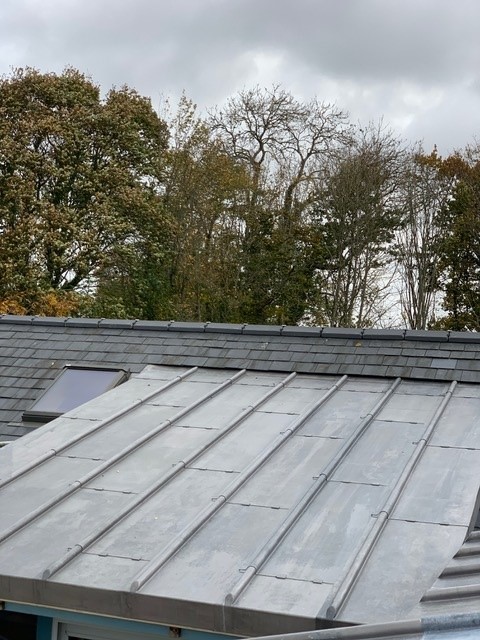
Laughton Manor House, sloping roof using Code 6 lead by Sussex Leadcraft Ltd.
For further information contact This email address is being protected from spambots. You need JavaScript enabled to view it.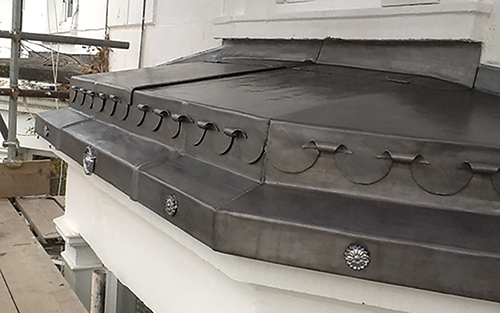
Ornate bay roof by M Marchant Specialist Lead Roofing Contractors Ltd
www.mmleadroofing.co.uk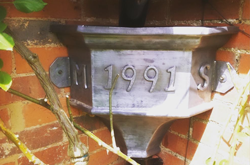
Lead hopper by Bryan Williamson & Daughters - part of an extensive re roofing and guttering on LPOC Award winning home of the Dean of Salisbury. See website for more work examples.
www.bwilliamsonanddaughters.co.uk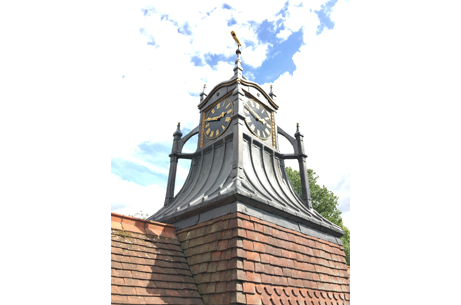
Excellent leadwork on this Clock Tower by LSA accredited craftsman Kevin Bennett. For more about his work visit
www.kmleadwork.co.uk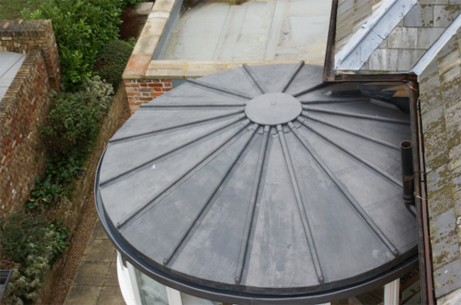
Lead roof in Pegwell Bay by John Williams & Co.
www.johnwilliamsroofing.co.uk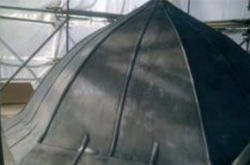
Martin Young of MYLeadworks installed this sand-cast lead turret at Bramshill House in Hampshire.
www.myleadworks.co.uk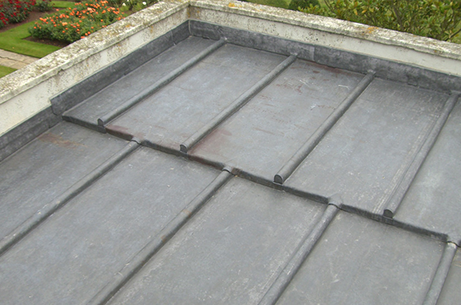
Fine example of lead roofing from George Bayes of Suffolk.
www.bayesroofing.co.uk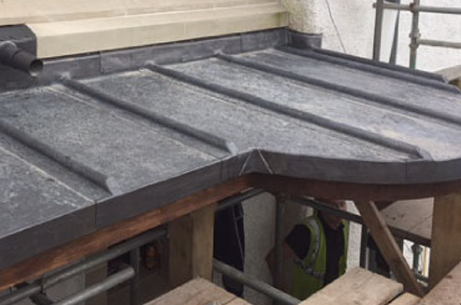
Aiket Castle near Dunlop is one of Nova Contracts' most recent heritage leadwork projects
www.novacontracts.co.uk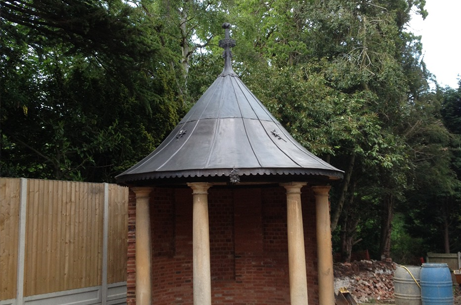
Repair work to Pergola in south-east London by Crown Leadwork
www.crownleadwork.co.uk
Tiles
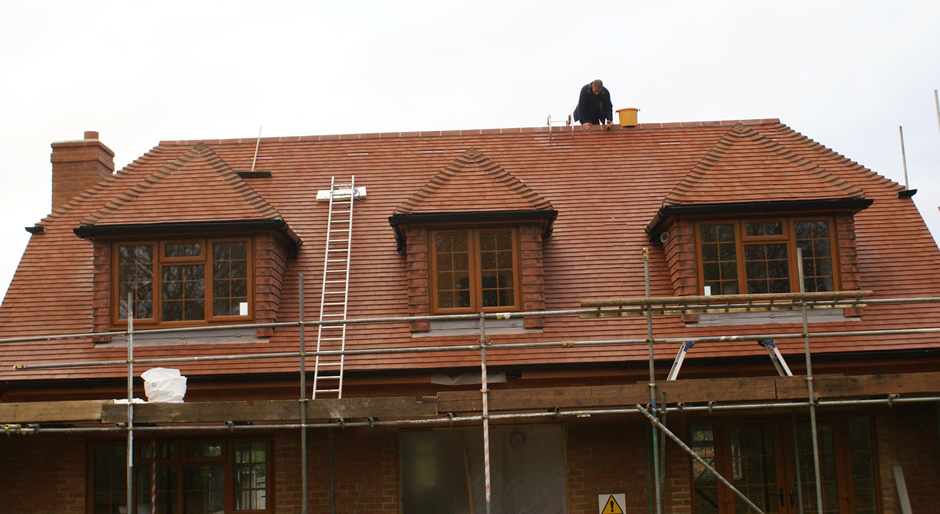
Kent peg tiles by MP Hare Heritage Works
www.mphareheritageworks.com
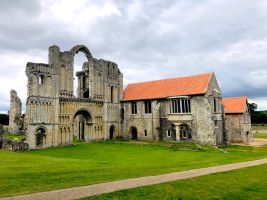
Beautiful pan-tiled roofing project at Castle Acre Priory, a preserved monastic site managed by English Heritage. USL carried out conservation, structural repairs, leadwork, rainwater goods and roofing renewal.
www.universalstone.co.uk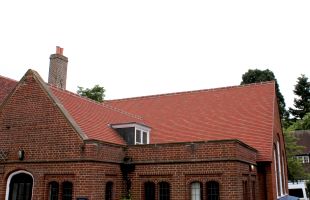
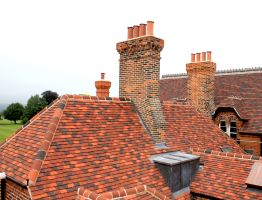
Over 850m² of handmade clay roofing tiles, all stripped and replaced by USL’s team of specialist roofers at Chigwell School. A Grade II Listed building.
www.universalstone.co.uk
Kent peg tiles installed on a Grade II Listed Georgian cottage by Broadstairs Roofing.
www.broadstairsroofing.co.uk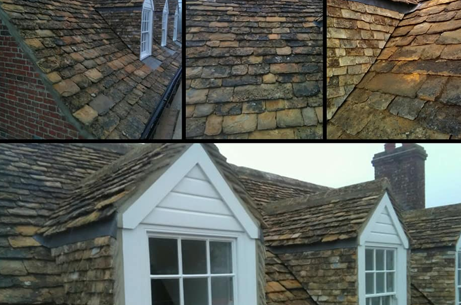
Natural stone tiled roof using existing and new stone in Castle Combe, Wiltshire, by Black Dog Roofing
Click here to see their Facebook page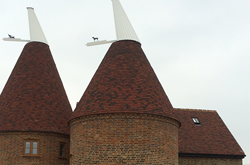
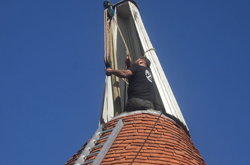
Dude and Arnette has restored hundreds of oast cowls around the UK since 1937. They approach every job with honesty, dedication and craftsmanship and are committed to making sure that their work is long-lasting. Every project is approached as unique and tailored to meet clients' exact needs.
www.dudeandarnette.co.uk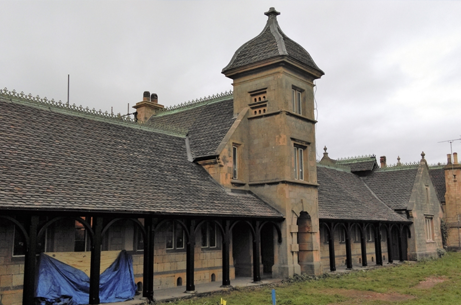
Handmade clay tiles used by Martin-Brooks (Roofing Specialists) Ltd at Poultry House near Worksop.
www.martin-brooks.co.uk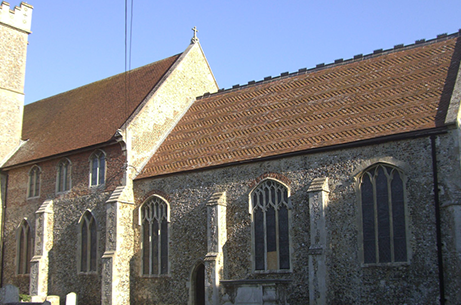
The restoration of the tiling to the Chancel roof at Barham Church near Ipswich.
www.bayesroofing.co.uk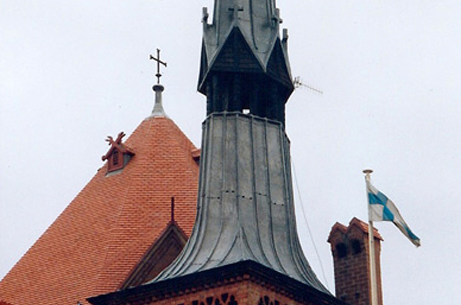
Beautiful blend of tiles and leadwork
www.nwmetalroofing.co.uk
Zinc
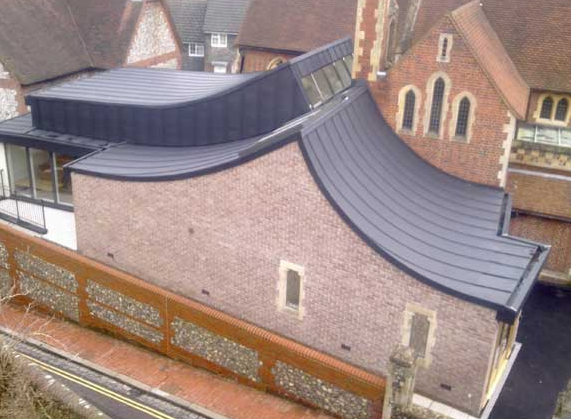
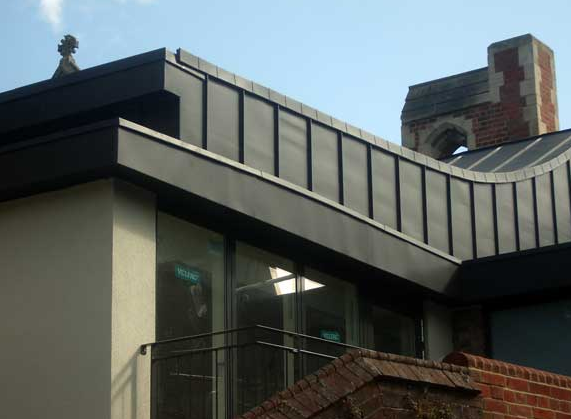
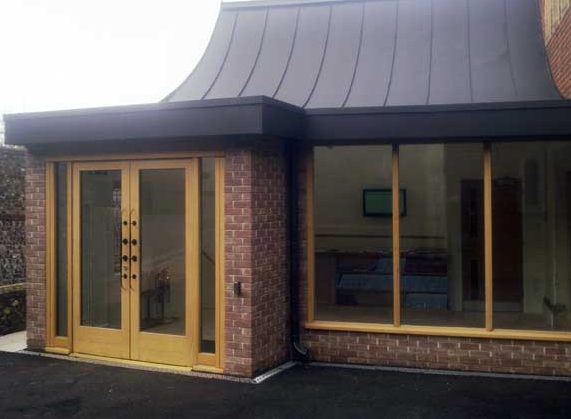
This dramatically modern extension to a traditional church in Lewes, East Sussex by Metal Roof Ltd incorporates sweeping pitches with concave curves. VM Anthra zinc is used – it is nearly black in colour. The project won the 2010 Friends of Lewes Best Building award and a ‘highly commended certificate’ for the 2010 Sussex Heritage Trust Awards.
www.metalroof.ltd.uk
Zinc roofing at Harlow High Street by A Class Metal Roofing Ltd
www.aclassmetalroofing.co.uk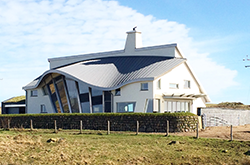
JTC Roofing designed and installed the roof of this modern holiday home in Pembrokeshire
www.jtcroofing.co.uk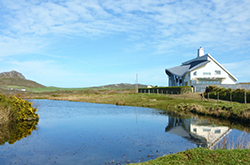
The smooth, gentle slopes flow seamlessly with the opposing ocean
www.jtcroofing.co.uk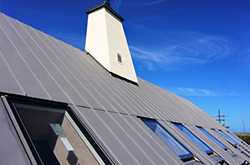
Pitched zinc roof at the back with zinc chimney detail and cladding
www.jtcroofing.co.uk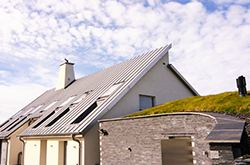
A great example of high quality craftsmanship from JTC Roofing
www.jtcroofing.co.uk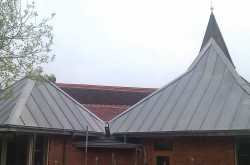
Two zinc pyramids at St Augustine's Church, East Sussex by Metal Roof Ltd.
www.metalroof.ltd.uk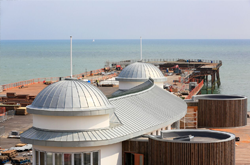
The restored Grade II-listed Hastings Pier, built in 1872, has natural VMZINC® standing seam roofs.
www.vmzinc.co.uk
Mastic Asphalt
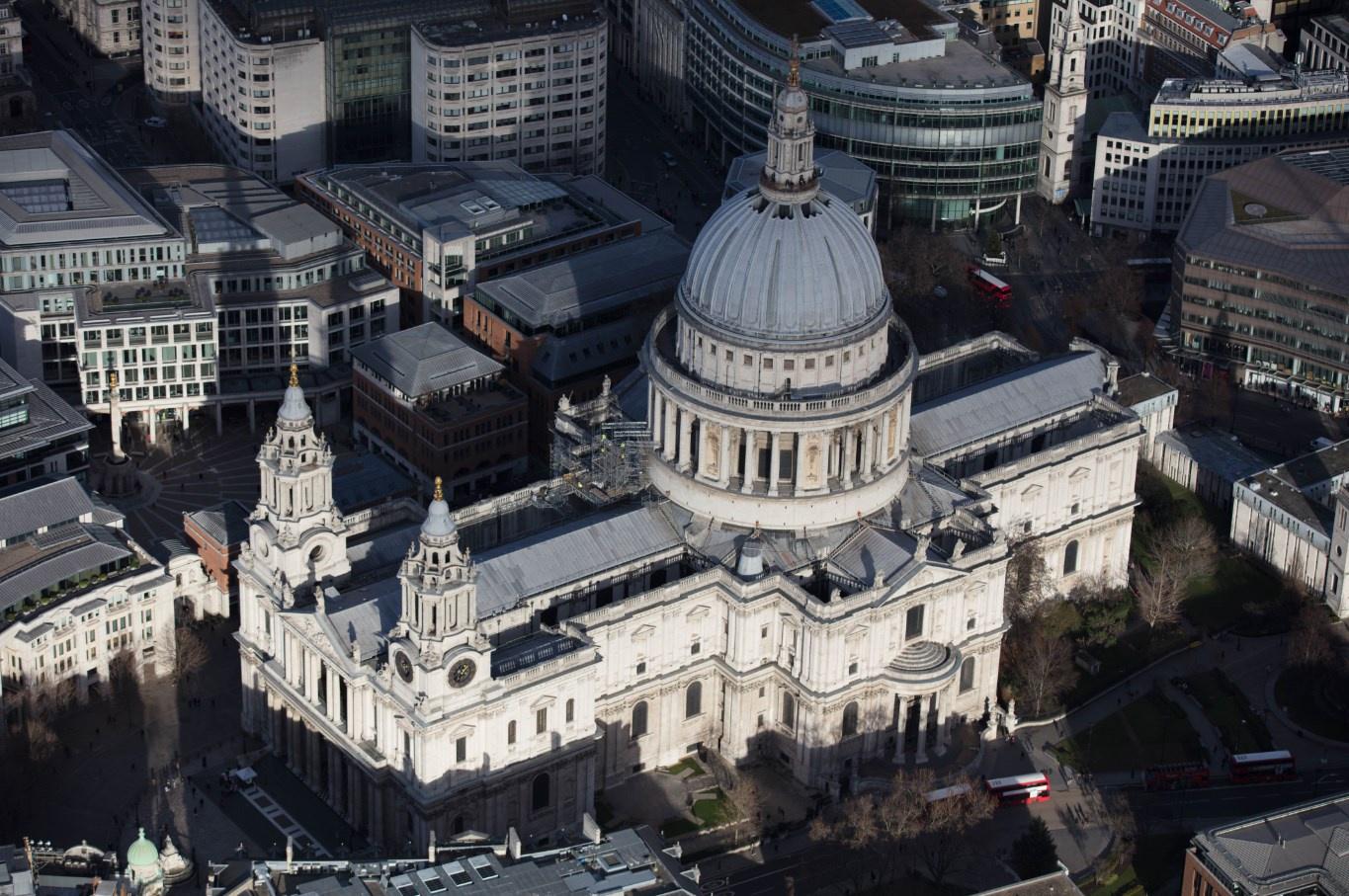
St Paul’s Cathedral project in London. Mastic asphalt was first laid in 1906 on the Stone Gallery that circles the Cathedral dome and it provided a remarkable 111 years’ weatherproof protection before it required refurbishment.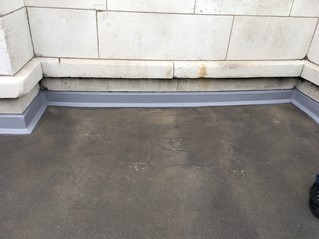
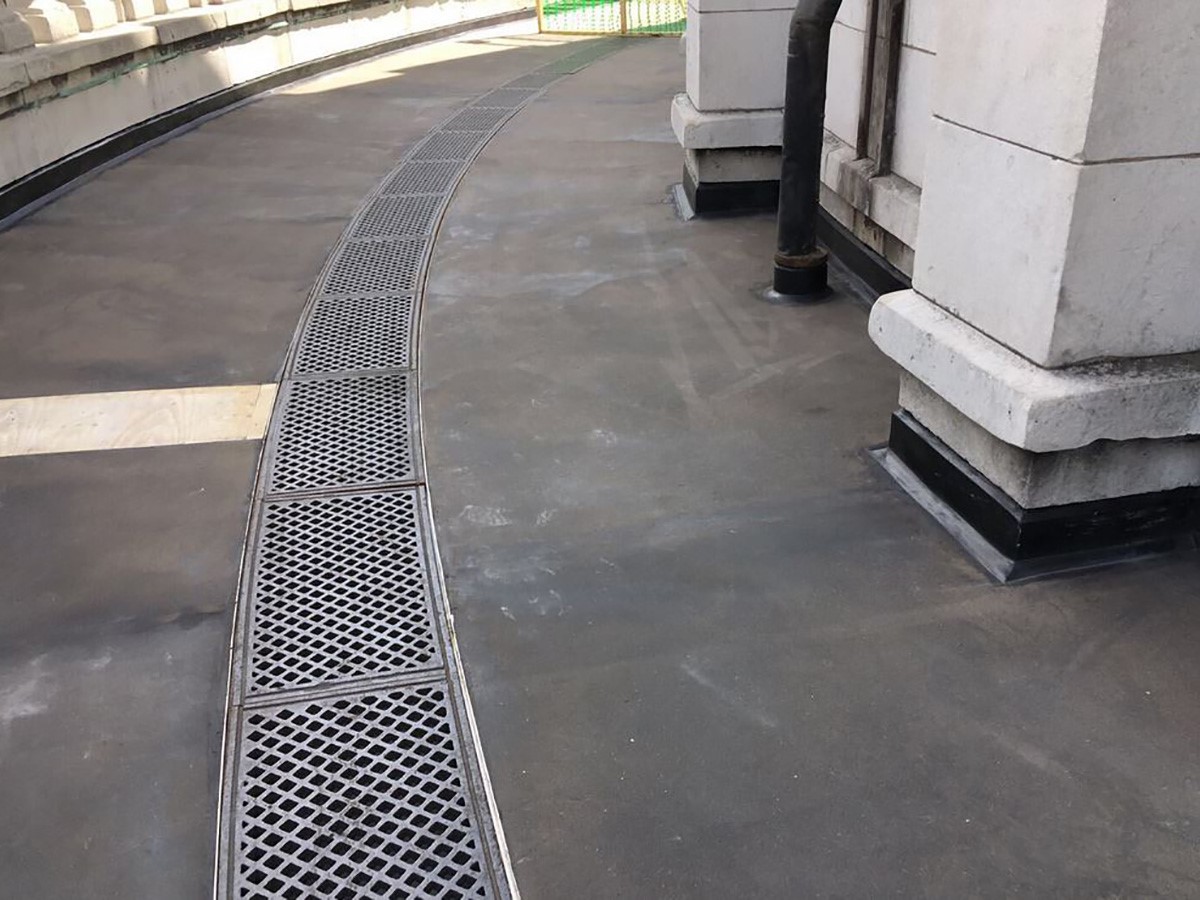
St Paul’s Cathedral - work carried out by leading MAC member Sussex Asphalte. When the mastic asphalt on the Stone Gallery was renewed, approximately 20 tonnes of the original mastic asphalt was saved and stored on-site to allow it to be re-used again in the future. Just nine months later it was re-melted, sieved and used again for a further mastic asphalt waterproofing project at St Paul’s Cathedral - this time on the North Courtyard. Pictures here show the work on the Stone Gallery.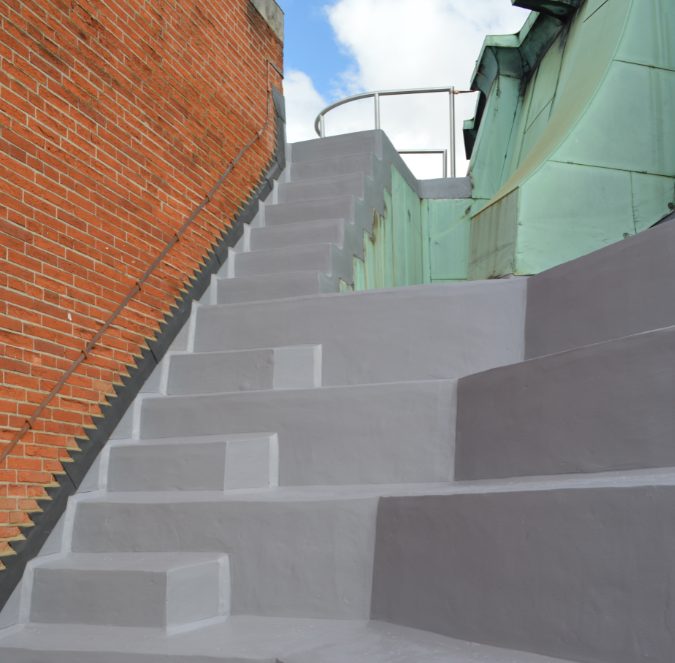
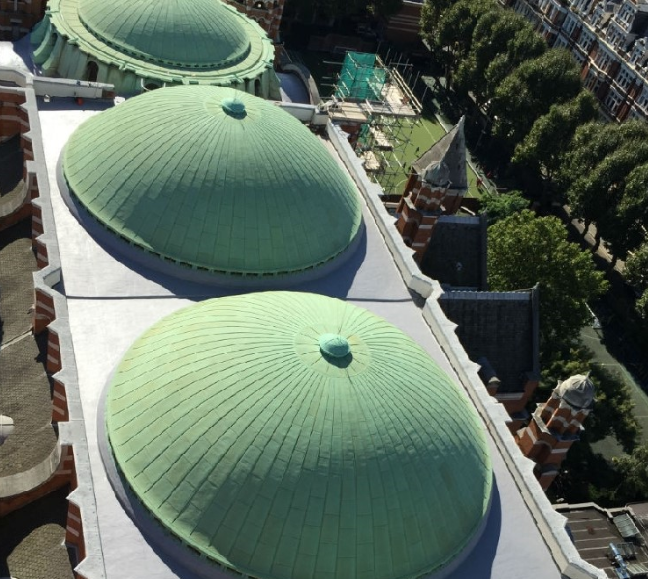
Mastic asphalt can be found on Westminster Cathedral.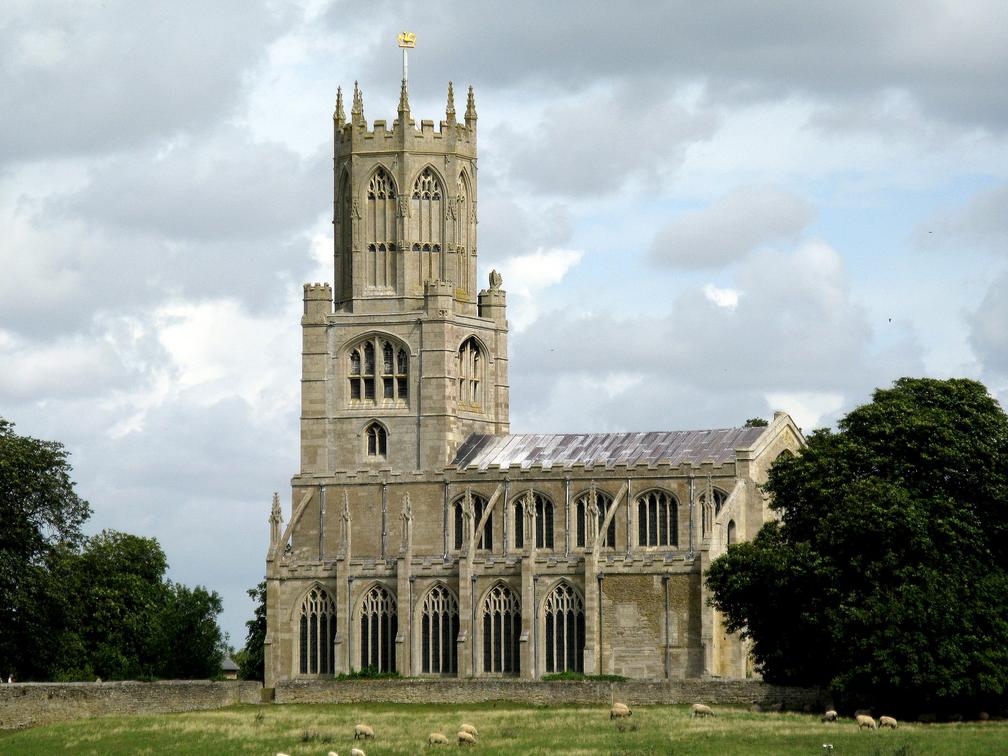
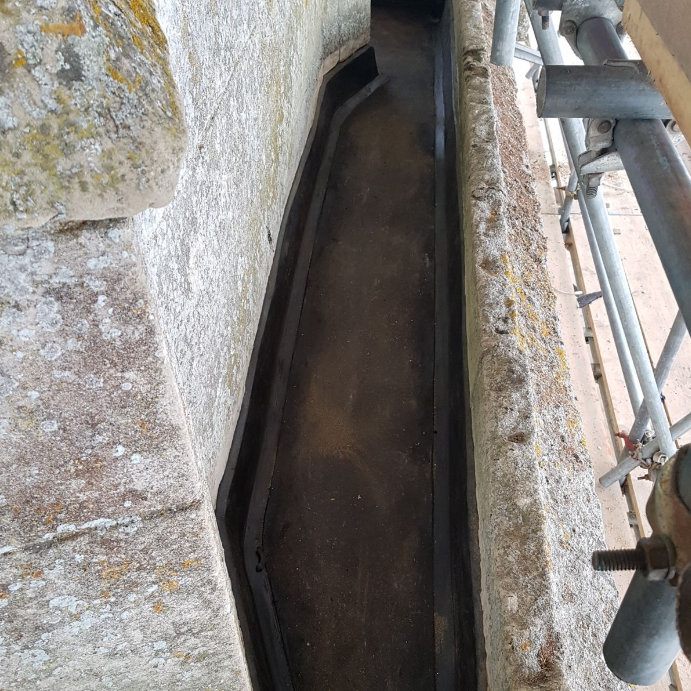
An impressive roof refurbishment project has been completed at the Church of St Mary and All Saints in Fotheringhay, Peterborough - a 15th century, Grade I listed building which was the winner of the Mastic Asphalt Council (MAC) Challenge Trophy Award back in 2018. Carried out during one of the coldest winters on record, by MAC contractor BCC Asphalt (www.bccasphalt.co.uk), the project was fully completed within just 14 days. The church is situated at the top of a hill and the roofing applicators had to contend with extreme wind and very cold temperatures.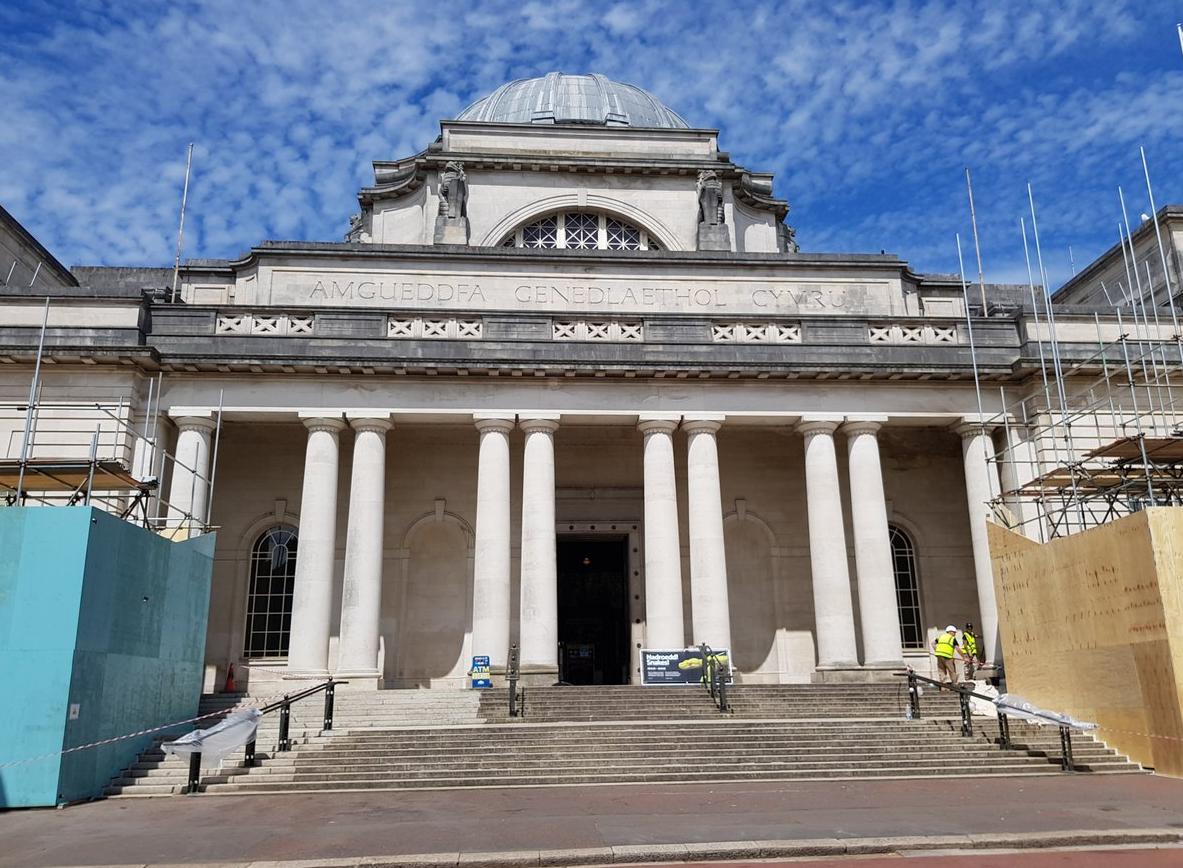
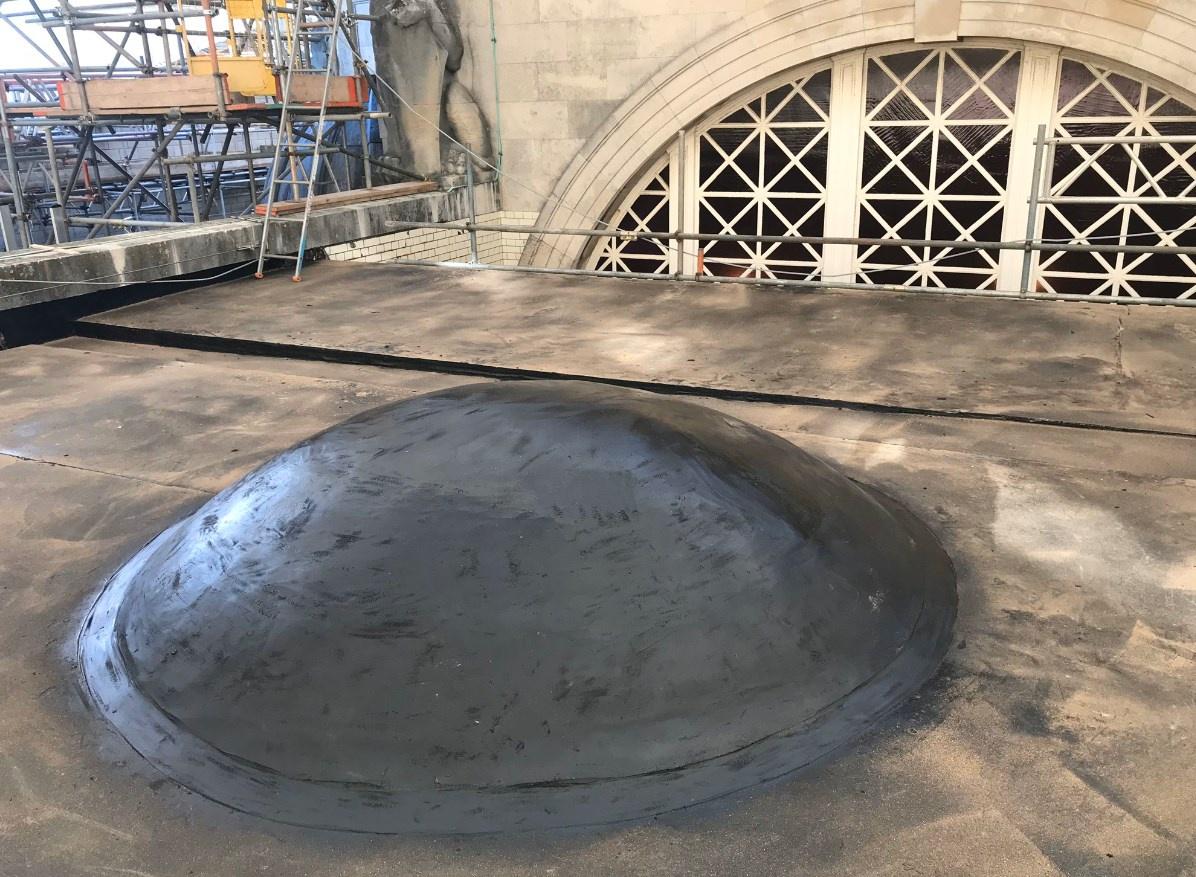
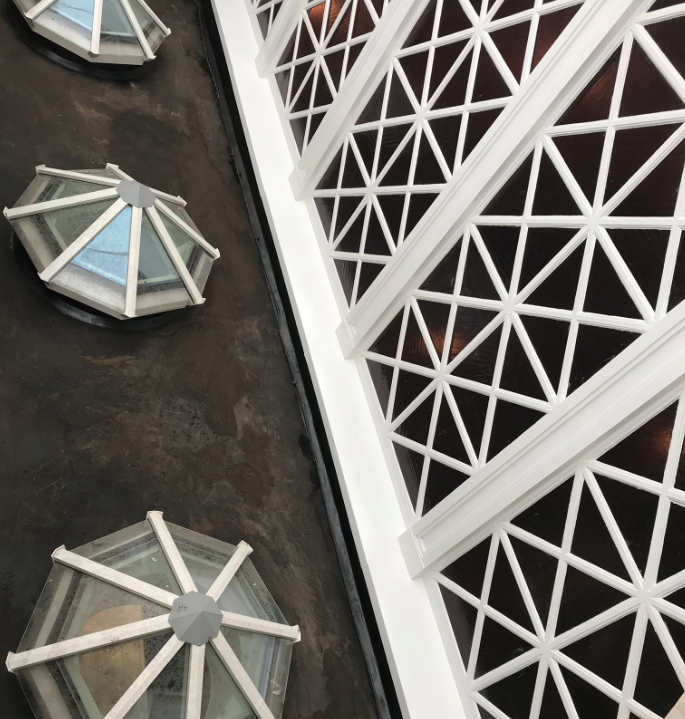
Mastic asphalt was originally applied to the roof of the National Museum Cardiff in 1910 when it was first erected and it provided an impressive 109 years’ weatherproof protection before requiring a full roof refurbishment using mastic asphalt applied by long-standing Mastic Asphalt Council (MAC) member Cardiff Asphalt (www.cardiffasphaltroofing.co.uk).
Steel
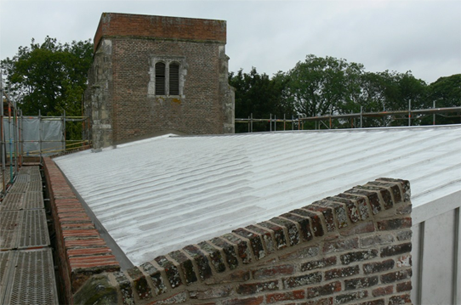
Terne coat stainless steel roof at St Mary's Church, Watton by Geoff Neal Roofing.
www.nealroofing.com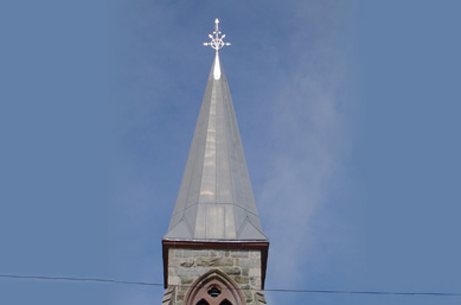
Stunning stainless steel replacement steeple by North West Metal Roofing Ltd
www.nwmetalroofing.co.uk
Copper
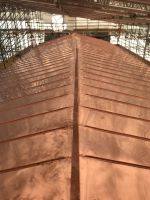
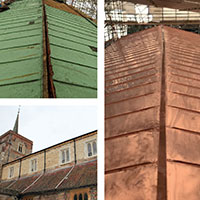
Copper roofing at St Leonard’s Church in Flamstead. Extensive heritage roofing and conservation programme.
www.universalstone.co.uk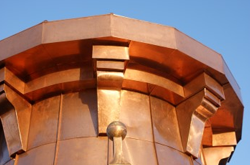
Copper roofing at Knightsbridge Brompton Road by A Class Metal Roofing Ltd
www.aclassmetalroofing.co.uk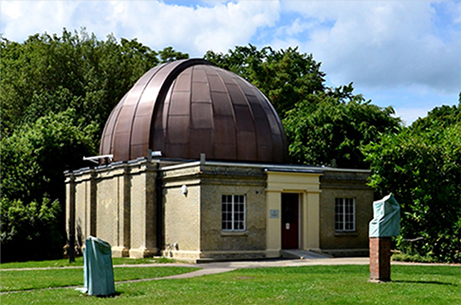
Copper roof by Norman & Underwood at the Northumberland Observatory, University of Cambridge.
www.nandu.co.uk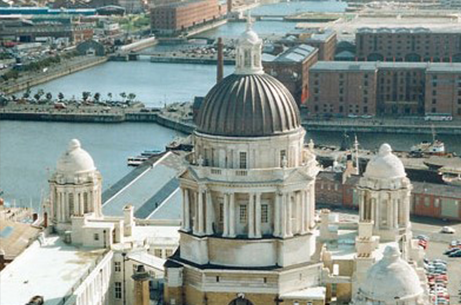
Beautiful Copper dome in dockside Liverpool by North West Metal Roofing Ltd
www.nwmetalroofing.co.uk
Southend church gets new stained glass windows to complement new interior
This set of four 2-light windows, designed by Essex-based Aura Visions, was set into the East elevation of Avenue Baptist Church, Southend on Sea, once the organ and choir pews had been removed. The entire building was reordered to allow for an ever-growing congregation which also required the replacement of the Baptistry Pool. This was decorated by Paul Siggins of the Mosaic Studio, Southend and is a stunning centre piece for the new interior.
The themes for the windows are ‘Creation & Trinity’, ‘Easter & Pentecost’, Baptism & Communion’ and ‘Mission, Justice & Peace’. Each window is colour coded to reflect its theme and the figurative elements were made large enough to be clear from ground level. There was much collaboration between Aura Visions and the design team from the church, who had a refreshing modernity about their ideas.
Particular design elements were carried through from the mosaic into the windows to tie the two together. The reordering of the interior brought about the replacement of the original metal balcony for clear glass, which reflects the stained glass windows in all directions as well as bathing the new large stage area in rainbows on sunny mornings.
For further exciting projects from Aura Visions visit www.auravisions.co.uk
Southend church gets new stained glass windows to complement new interior
This set of four 2-light windows, designed by Essex-based Aura Visions, was set into the East elevation of Avenue Baptist Church, Southend on Sea, once the organ and choir pews had been removed. The entire building was reordered to allow for an ever-growing congregation which also required the replacement of the Baptistry Pool. This was decorated by Paul Siggins of the Mosaic Studio, Southend and is a stunning centre piece for the new interior.
The themes for the windows are ‘Creation & Trinity’, ‘Easter & Pentecost’, Baptism & Communion’ and ‘Mission, Justice & Peace’. Each window is colour coded to reflect its theme and the figurative elements were made large enough to be clear from ground level. There was much collaboration between Aura Visions and the design team from the church, who had a refreshing modernity about their ideas.
Particular design elements were carried through from the mosaic into the windows to tie the two together. The reordering of the interior brought about the replacement of the original metal balcony for clear glass, which reflects the stained glass windows in all directions as well as bathing the new large stage area in rainbows on sunny mornings.
For further exciting projects from Aura Visions visit www.auravisions.co.uk
110 Bespoke terracotta pieces add finishing touches to Wigan Town Hall restoration
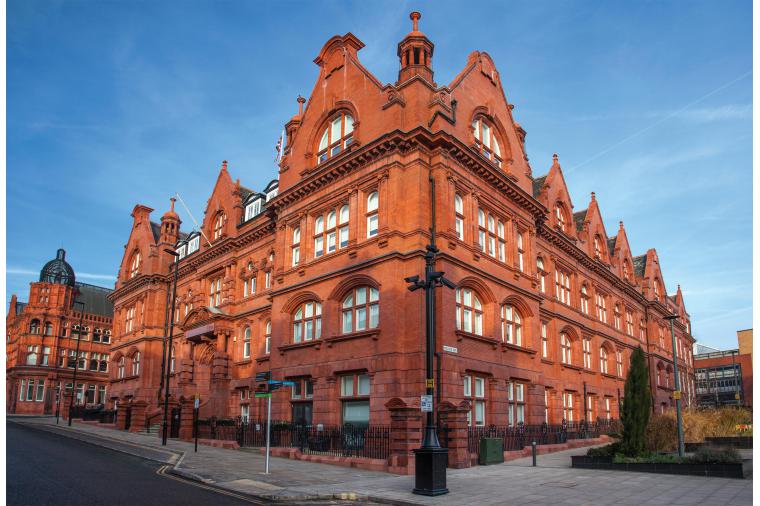 As part of the Wigan Town Hall refurbishment, restoration specialists Darwen Terracotta and Faience have manufactured and supplied 110 replacement bespoke terracotta pieces. Designed by local architects Nuttall and Cooke, the grade II listed Town Hall has been part of the street scene since 1867. It has now been restored to its former glory, with the new terracotta elements installed by expert restoration contractors Stone Central (NW) Ltd.
A Suffolk Georgian gem rises from the ashes
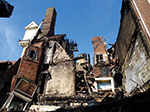 When a major fire raged through the Grade One-listed Cupola House in Bury St Edmunds in 2012, the fire service called upon local specialist builders Seamans Building to make the building safe. After bringing in long-reach demolition plant to help secure the structure, Seamans embarked upon clearing the debris, preparing the site for surveys and erecting a temporary scaffolded structure to preserve the integrity of what remained.
Architects Purcell then began work, in partnership with English Heritage, St Edmundsbury Borough Council and a team of specialist consultants, to stabilise the surviving built fabric and reconstruct the lost historic features. Using all the available information about the building, which was built in 1693, the architectural team recreated the principal spaces and reintroduced many of the building’s architectural details, including panelling, cornices, architraves and the staircase.
Conservation principles for heritage forged and cast ironwork
 Using the NHIG Conservation Principles will help ensure high standards and appropriately carried out work.
The principles are for use by all those involved with heritage ironwork projects including:
- Custodians when commissioning work, to select the right people to work with by ensuring they implement the NHIG Conservation Principles for all their restoration work.
- Professionals when specifying work, to ensure good and appropriate work by including the NHIG standards within tender documents.
- Practitioners when promoting their services and tendering for work, to demonstrate knowledge, understanding and importantly the standard they work to regards all their restoration work.
The Conservation Principles are intended to inform and guide decisions at all stages of conservation work to forged and cast iron; they provide a comprehensive and ethical framework around which informed judgements and decisions can be made. Throughout the development process NHIG’s aim has not been to invent something new, but to aid the practical interpretation and application of universally accepted general conservation principles by making them specifically relevant to ironwork. Uniquely, NHIG’s principles expand on the philosophy in order to improve understanding.
Surprisingly, ironwork was the one area of conservation where no specific codes of practice existed which is why NHIG felt it was so important to develop the Conservation Principles document. It has long been felt that while conservation is important, good conservation is essential.
The principles set a standard of practice for those who provide advice, make decisions about or undertake work on heritage forged and cast iron work, not only practitioners and specifiers but also owners, managers and custodians. The purpose of standardising practice is to ensure consistency and make sure that the significance of the work carried out is fully appreciated and that those involved are accountable for the work they do.
The ‘core principles’ of conservation are stated in order to provide a clear ambition and expectation. While these are aligned with universally accepted conservation principles the uniqueness of the NHIG conservation policy is that it goes on to expand the philosophy behind these principles, as ‘best practice’, in order to improve understanding on how they specifically apply to forged and cast ironwork. The conservation policy should be read and referred to as a whole and while self-contained it should be noted that the standards of other conservation organisations may also be relevant.
As with other conservation policies NHIG’s Conservation Principles document is concise as its role is to clearly convey aims and objectives. It does not include lots of detail or guidance, since this would detract from the principle concept and make it too complex to be useful. Instead further practical guidance will be kept separate and provided as supporting documents. Therefore the guidance given for each of the fifteen points listed under good practice has been purposely kept between 50 and 300 words.
In conclusion it is important to appreciate that ‘core principles’ and ‘best practice’ are essentially ‘aspirational’ in stating ideals both for what should be aimed at and what should be achieved. It is therefore essential to adopt a flexible approach to their interpretation, in order to determine how best to apply them to the individual circumstances of any given case or location.
The NHIG ironwork conservation principles were carefully developed, following a process which included two public forums and a peer review process. The Peer Review panel was chaired by Rory Cullen, Head of Buildings for the National Trust, and he was joined by Katy Lithgow, Head Conservator for the National Trust; Kate Gunthorpe, Senior Building Surveyor for English Heritage; Deborah Cane, ICON representative; Ali Davey of Historic Scotland; Rupert Harris of Rupert Harris Conservation and Dr Bruce Induni, SPAB representative.
The Working Group was chaired by Geoff Wallis, proprietor of Wallis Conservation and former Director of Dorothea Restorations Ltd; he was joined by Elizabeth Green, Curator for The National Trust; Bethan Griffiths, Director of The Ironwork Studio; David James, Director of George James & Sons Blacksmiths; Adrian Legge, Senior Blacksmithing tutor for Hereford College; Andrew Naylor, Director of Hall Conservation; Chris Topp, Director of Chris Topp & Co Ironworks.
The NHIG Conservation Principles document has been endorsed by the National Trust, English Heritage, Icon, The Worshipful Company of Ironmongers and BABA.

To find out more about the NHIG visit www.nhig.org.uk
VISIT OUR ASSOCIATED SITES