




Current Issue
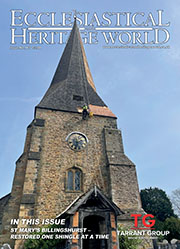


Heritage Roofing
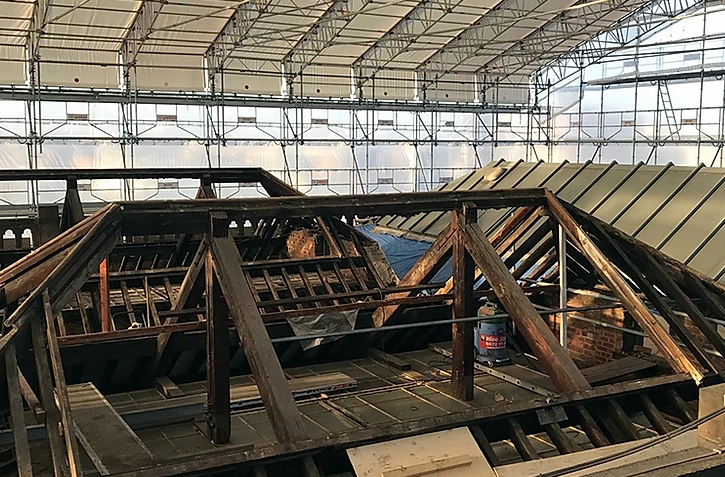
Heritage roofing - maintaining our iconic buildings
The UK is home to some of the most iconic buildings in the world, from stunning churches and cathedrals to historic stately homes. Each and every one of these remarkable feats of architecture requires regular maintenance to ensure they remain in the very best condition, allowing them to be enjoyed for generations.
Cathedral Care
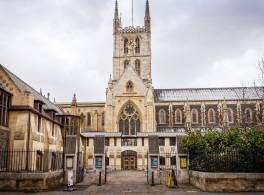
Restoration and upkeep of cathedrals
There are some 42 Anglican cathedrals in the UK, not to mention 20 or so Catholic cathedrals. Cathedrals form the most important collection of historic buildings in England. The largest and most ancient are internationally famous, the smallest are usually among the most significant buildings in their region and even the most recent are architectural masterpieces.
Master Craftsmen
Championing our heritage with modern craftsmanship
Twenty years ago, English Heritage (now Historic England) published its first-ever Register of Buildings at Risk across England, which featured nearly 2,000 buildings and monuments that were ‘neglected, broken and unloved’. Recently Historic England was delighted to announce that over two-thirds of those buildings were now safe, in both urban and rural areas right across the country.
Lightning Protection

When lightning strikes are you protected against this act of God?
The issue of lightning protection in churches is one that has exercised this publication for many years. In this four-part series of spotlights on the issue we will be revisiting various aspects of the subject, beginning with an overview of current thinking.
Traditional Lime
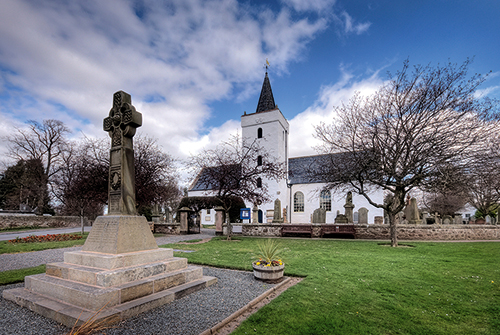
Lime: it’s better for buildings – and for the environment
It is now fairly well known that cement is not good for old buildings and that lime mortar should be used. But why? What are the advantages and what are the disadvantages? In order to begin to answer those questions it is necessary to understand the nature of traditional building, the process by which buildings used to be built, and how it differs from modern construction, the process by which we build today.
Audio Visual

Audio visual equipment in church buildings
This guidance is issued by the Church Buildings Council under section 55(1)(d) of the Dioceses, Mission and Pastoral Measure 2007. As it is statutory guidance, it must be considered with great care. The standards of good practice set out in the guidance should not be departed from unless the departure is justified by reasons that are spelled out clearly, logically and convincingly.
Read More...







Heritage Funding
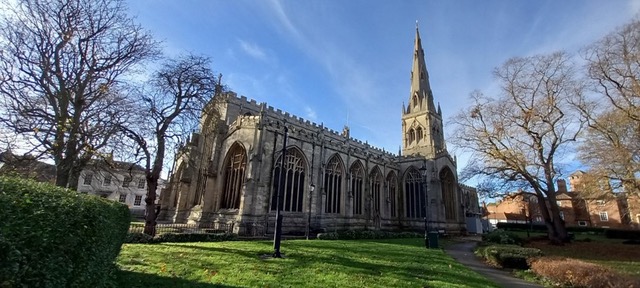
£48m heritage funding opens for churches and historic buildings
Part of £1.5 billion government investment in cultural organisations over a five-year period
Thousands of churches and historic buildings across England could benefit from a major new £48 million funding package aimed at urgent repairs, regeneration projects and wider community use.
CRE Events

Christian Resources Exhibition enters a new chapter as Church Resources Exhibition
The Christian Resources Exhibition (CRE), the UK’s largest church-related show, has changed hands in its 40th year and has been taken over by Quartz Business Media.
Insurance
You need to ensure that reasonable precautions are in place at your church to keep it safe for those who use it. To do this, you need to think about what might cause harm to people.
You will then need to decide if the precautions already in place are adequate. If they are not, you may need to identify further action to prevent any danger. When done formally, this is known as a risk assessment.
Church Maintenance
Church maintenance and repair: Calendar of Care
Just as prevention is always better than cure, maintenance is preferable to major repairs. But, such repairs may not always be avoidable. Church Care offers a monthly guide in our coming issues Starting in Spring
We can help you understand the common problems and areas that need your special attention, and give you tips for regular maintenance schemes.
Pest Control
Michael Palin warns of pest threat to churches
Michael Palin is supporting the future of the UK’s historic churches and chapels with a voiceover for a new animated film. The 80 second animation, produced for the National Churches Trust, highlights why churches are some of the nation’s best loved buildings.
Town Halls
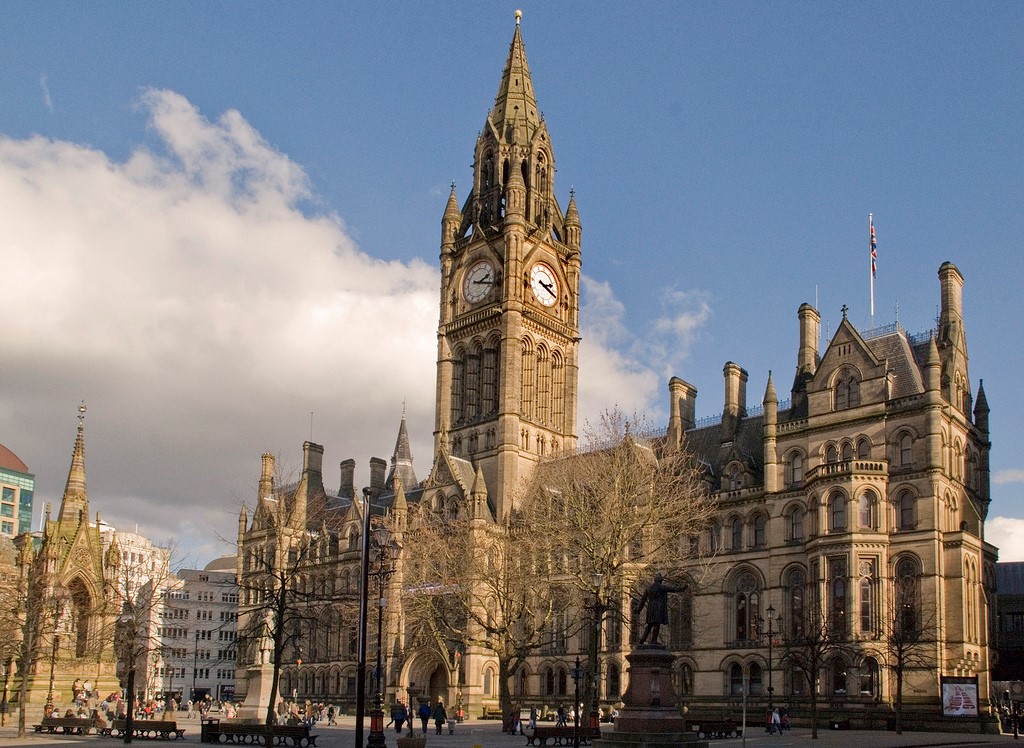
The history of the great Victorian Town Halls of Northern England
From industrial squalor to civic pride, the story behind some of the most impressive buildings of the North involve a unique mix of economics, grand designs and noble sentiments within communities.
Lead Roofing
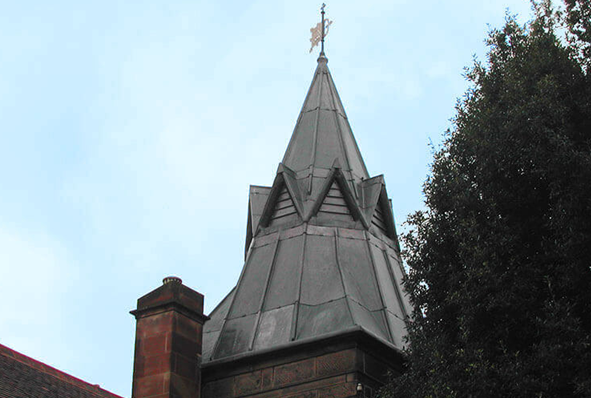
Lead is one of the oldest materials in the roofing industry and is still commonly used throughout the world today.
Lead roofing is a traditional roofing method which has been used in the industry for hundreds of years, and is therefore proven to be extremely reliable. Lead roofing, and sand-cast lead, in particular is ideal for old buildings such as churches or historical renovations, whereas milled lead roofing is a mass-produced alternative, used for precision and accuracy in homes and commercial buildings alike.


SEARCH OUR DIRECTORY
Lead Contractors Launch 2011 Directory with a Warning
An audience of more than 70 architects, contractors and manufacturers gathered at the Institute of Materials, Minerals and Mining in London at the end of January to listen to a series of presentations launching the 2011 edition of the Directory of Specialist Leadwork Contractors.
LCA Chairman David Martin opened the event by asking what price architects, specifiers and main contractors were prepared to pay in order to save money? He warned that trying to save money by not using a specialist leadworker could prove a false economy, with dire consequences for their client.
Nigel Miles of NDM Metal Roofing and Cladding then described the trials and tribulations of painstakingly restoring eight decorative lead lion cartouches from the Regent Palace Hotel refurbishment project.
His team of carpenters spent 64 man/days restoring the timber carcasses, before two teams of lead craftsmen, working in pairs, spent an average of ten days on each lion, fabricating each section and then “float” welding the individual pieces of lead together.
Standing 1.16M high and 1.25M wide, some 5M² of Code 7 lead sheet was used for each cartouche, which weighed 300kgs when finished.

“I think these are incredible pieces of lead craftsmanship and I am very proud of my teams for the exceptional quality of work they have produced” said Nigel.
Caleb Cross presented an in depth case study on Richardson Roofing’s refurbishment work at Cardiff Museum, emphasising the amount of care that had to be taken in reproducing the stonework design of the lower levels in lead for the vertical panel sections of the roof.
The attention to detail demanded by the architect was obvious throughout the project and the effort was rewarded by the project being selected to feature on the front cover of the new LCA Directory.
The next warning was then provided by the Chairman of the LCA Technical Awareness Committee Carl Bream, who showed leadwork that LCA vetting officers were sometimes presented with by contractors wanting to join the Lead Contractors Association.
Carl used slides to show simple errors in design, setting out and fixing which had caused (or would shortly cause) the lead to fail. “The real problem” he said “is that these contractors genuinely believed there was nothing wrong with what they had done and in some cases they were quite proud of their work.”
Showing numerous examples of poor design and lack of knowledge, he emphasised the longevity of performance of lead sheet, but only if the installer knew what they were doing. “We all know lead sheet lasts for more than 100 years” he said “provided it is designed and fitted correctly at the outset.”
This theme was picked up by LCA Secretary Ray Robertson in highlighting the advantages of using a member of the LCA for leadwork design and installation.
LCA members have their work regularly inspected as part of an annual vetting programme and if faults are found they must be immediately corrected without cost to the client or the contractor’s LCA membership would be forfeit.
“All lead contractors are not the same, so who checks your contractor’s leadwork if they are not members of the LCA?” he asked.
As well as vetting being mandatory, LCA members were required to offer a 25 year Guarantee of their work as further evidence of their commitment to quality standards and peace of mind for the client.
Just as all contractors were not the same, Lead Sheet Association Technical Officer John Woods warned that all lead sheet was not the same, as many architects, specifiers and clients mistakenly assumed.
Only rolled lead sheet was made to a European Standard, BSEN12588 and formed the basis on which the recommendations in the “Lead Sheet Manual” were made.
The historical long term performance of traditional sand cast sheet was also recognised and John showed how this oldest of roofing metals was still made in the traditional manner today.
LSA General Manager Nigel Johnston then announced the Young Leadworker of the Year Award, sponsored by the Lead Sheet Association.
This new competition was using LCA members as guinea pigs in its first year and was open to anyone aged 25 or under on the closing date for entries of March 31st 2011.
Work would be inspected on site regionally before six finalists were invited to a Grand Final at the LSA in September. The eventual winner will receive a training bursary worth £3,500, plus £500 in tools.
The final presentation from Rod Bexson of Associated Lead Mills featured the ultimate accolade in leadwork, the Murdoch Award, which his company was proud to have sponsored for the past seven years. The Murdoch Award had started in 1996 and Rod showed all the previous year’s winners.
In 2006 Associated Lead started the Murdoch Sponsors Award to recognise the smaller project (less than 5 tonnes) and both Awards were now vigorously contested each year.
To conclude the event, Steve Hempstock of Northwest Lead was called forward to be presented with the Murdoch Award for 2010 for his work on Dewsbury Town Hall.
VISIT OUR ASSOCIATED SITES