




Current Issue
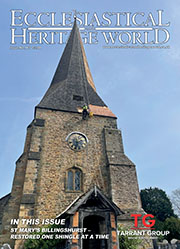

Heritage Roofing
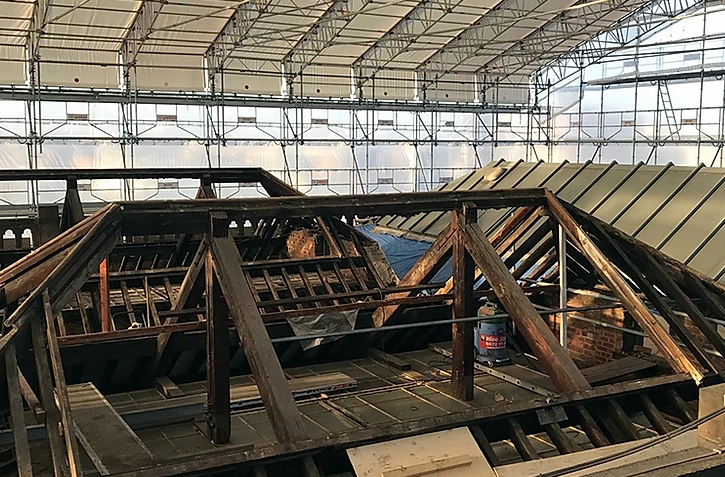
Heritage roofing - maintaining our iconic buildings
The UK is home to some of the most iconic buildings in the world, from stunning churches and cathedrals to historic stately homes. Each and every one of these remarkable feats of architecture requires regular maintenance to ensure they remain in the very best condition, allowing them to be enjoyed for generations.
Cathedral Care
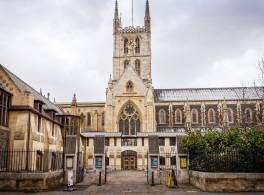
Restoration and upkeep of cathedrals
There are some 42 Anglican cathedrals in the UK, not to mention 20 or so Catholic cathedrals. Cathedrals form the most important collection of historic buildings in England. The largest and most ancient are internationally famous, the smallest are usually among the most significant buildings in their region and even the most recent are architectural masterpieces.
Master Craftsmen

Championing our heritage with modern craftsmanship
Twenty years ago, English Heritage (now Historic England) published its first-ever Register of Buildings at Risk across England, which featured nearly 2,000 buildings and monuments that were ‘neglected, broken and unloved’. Recently Historic England was delighted to announce that over two-thirds of those buildings were now safe, in both urban and rural areas right across the country.
Lightning Protection
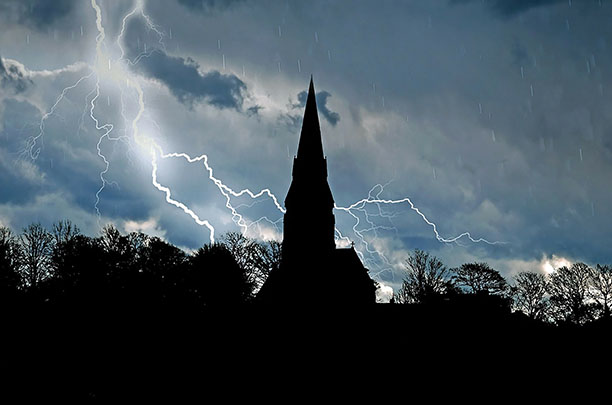
When lightning strikes are you protected against this act of God?
The issue of lightning protection in churches is one that has exercised this publication for many years. In this four-part series of spotlights on the issue we will be revisiting various aspects of the subject, beginning with an overview of current thinking.
Traditional Lime
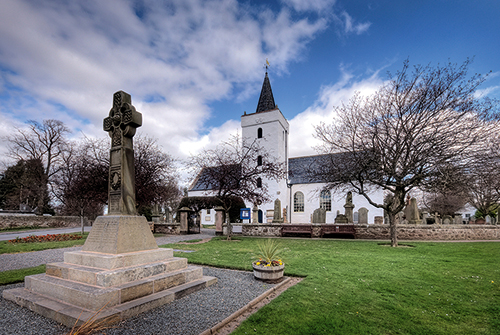
Lime: it’s better for buildings – and for the environment
It is now fairly well known that cement is not good for old buildings and that lime mortar should be used. But why? What are the advantages and what are the disadvantages? In order to begin to answer those questions it is necessary to understand the nature of traditional building, the process by which buildings used to be built, and how it differs from modern construction, the process by which we build today.
Audio Visual

Audio visual equipment in church buildings
This guidance is issued by the Church Buildings Council under section 55(1)(d) of the Dioceses, Mission and Pastoral Measure 2007. As it is statutory guidance, it must be considered with great care. The standards of good practice set out in the guidance should not be departed from unless the departure is justified by reasons that are spelled out clearly, logically and convincingly.
Read More...







Heritage Funding
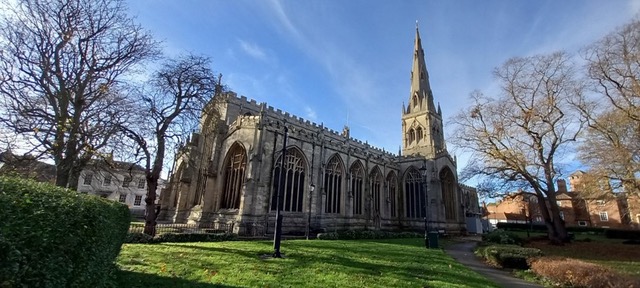
£48m heritage funding opens for churches and historic buildings
Part of £1.5 billion government investment in cultural organisations over a five-year period
Thousands of churches and historic buildings across England could benefit from a major new £48 million funding package aimed at urgent repairs, regeneration projects and wider community use.
CRE Events

Christian Resources Exhibition enters a new chapter as Church Resources Exhibition
The Christian Resources Exhibition (CRE), the UK’s largest church-related show, has changed hands in its 40th year and has been taken over by Quartz Business Media.
Insurance
You need to ensure that reasonable precautions are in place at your church to keep it safe for those who use it. To do this, you need to think about what might cause harm to people.
You will then need to decide if the precautions already in place are adequate. If they are not, you may need to identify further action to prevent any danger. When done formally, this is known as a risk assessment.
Church Maintenance
Church maintenance and repair: Calendar of Care
Just as prevention is always better than cure, maintenance is preferable to major repairs. But, such repairs may not always be avoidable. Church Care offers a monthly guide in our coming issues Starting in Spring
We can help you understand the common problems and areas that need your special attention, and give you tips for regular maintenance schemes.
Pest Control
Michael Palin warns of pest threat to churches
Michael Palin is supporting the future of the UK’s historic churches and chapels with a voiceover for a new animated film. The 80 second animation, produced for the National Churches Trust, highlights why churches are some of the nation’s best loved buildings.
Town Halls
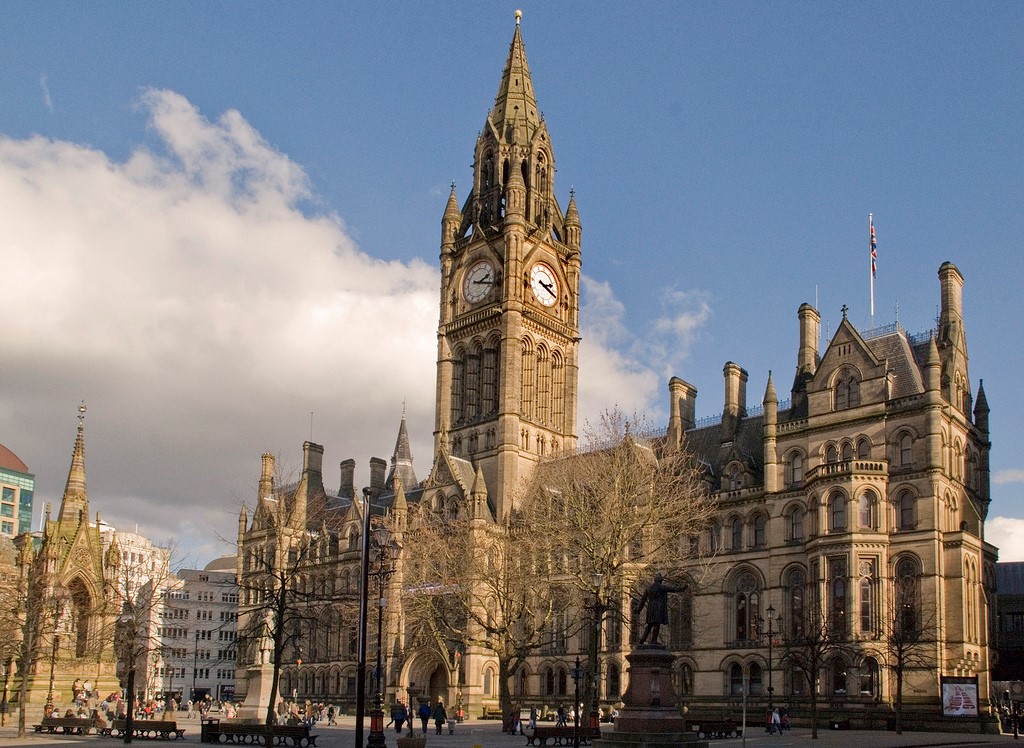
The history of the great Victorian Town Halls of Northern England
From industrial squalor to civic pride, the story behind some of the most impressive buildings of the North involve a unique mix of economics, grand designs and noble sentiments within communities.
Lead Roofing
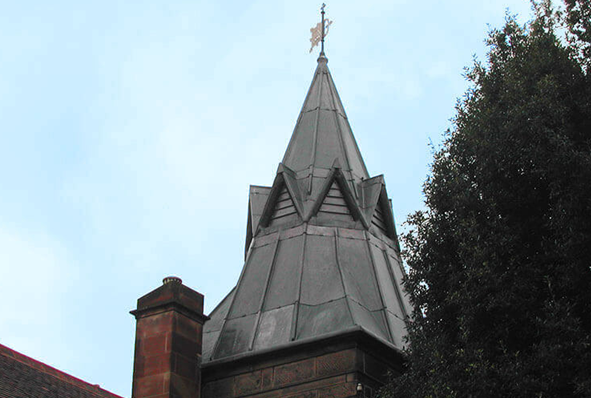
Lead is one of the oldest materials in the roofing industry and is still commonly used throughout the world today.
Lead roofing is a traditional roofing method which has been used in the industry for hundreds of years, and is therefore proven to be extremely reliable. Lead roofing, and sand-cast lead, in particular is ideal for old buildings such as churches or historical renovations, whereas milled lead roofing is a mass-produced alternative, used for precision and accuracy in homes and commercial buildings alike.
SEARCH OUR DIRECTORY
Liverpool church’s cast iron windows now back in the pink
The church of St Michael in the Hamlet, affectionately known as south Liverpool’s “pink” church, is one of only two surviving examples of early prefabricated church buildings. Built in the opening decades of the 19th century – the very early days of cast iron technological advances – it was the realisation of collaboration between Iron Master John Cragg and Gothic revivalist architect Thomas Rickman.
Over the next two centuries, the ravages of time took their toll on the building, the most serious problem being water ingress through Cragg’s unique and patented slate roof. The main cause of the roof leaks were found to be a combination of failing butt joints and seals and deterioration of the integral cast iron gutters at the eaves.
Some windows had also become badly corroded causing severe cracking to the diamond glass panes of the clerestory windows, which had been replaced with mismatched glazing.

In 2002, restoration funds were secured from the Heritage Lottery Scheme through English Heritage, who worked with architects Pickard Finlason Partnership under the Repair Grants for Places of Worship Scheme.
Hargreaves Foundry was awarded the contract to repair and replace the historic cast iron windows at the landmark Grade 1 listed parish church.
Most of the windows were salvaged and sandblasted in-situ back to bare metal by the main contractor, Mather and Ellis. These were then treated, primed and repainted.

Although the main cast iron frames were in reasonable condition, seven of the separate lancet panels set within the main frames were judged beyond repair and were replaced by Hargreaves, who created new patterns from an original lancet removed by the contractor.
The processes and precision required in cast-iron production and patternmaking have changed very little over the last century and to replicate windows as derelict as these requires the skill and ingenuity of both master craftsmanship and master detective.
Since the window panels were profiled on both sides, separate patterns were made of each side to form the mould. It became evident that some of the panels were originally designed as hinged opening lights.

The completed windows were subsequently refitted to the frame with stainless steel fixings.
Cast Iron is Perfect Partner
The perfect choice for old and new buildings, cast iron meets the needs of restoration, refurbishment, conservation and heritage work as well as projects promoting new, bespoke and unique designs.
Strong and durable, cast iron is 100 per cent recyclable, offers fire resistance, won’t crack when being installed, needs little maintenance and is vandal resistant.
Hargreaves Foundry has been in the cast iron business for more than 100 years. Hargreaves pattern shop specialises in new and bespoke designs as well as the conservation and replacement of original pieces.
For more information ring 01422 330607, email This email address is being protected from spambots. You need JavaScript enabled to view it. or visit www.hargreavesfoundry.co.uk
VISIT OUR ASSOCIATED SITES