




Current Issue
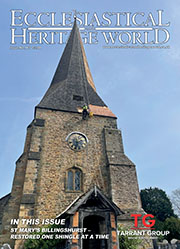


Heritage Roofing
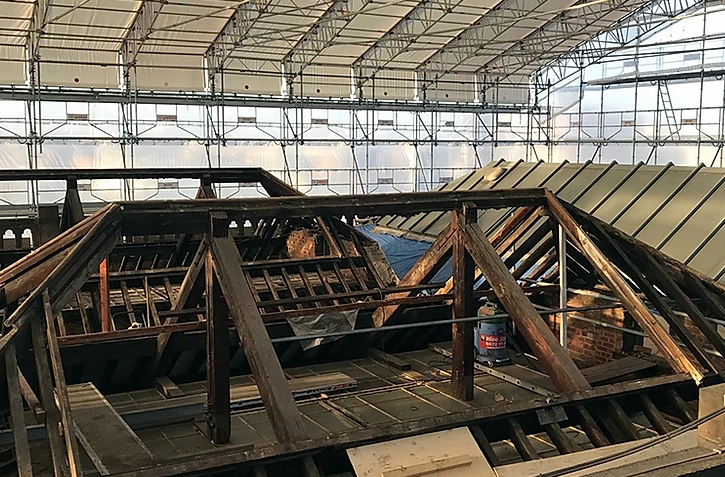
Heritage roofing - maintaining our iconic buildings
The UK is home to some of the most iconic buildings in the world, from stunning churches and cathedrals to historic stately homes. Each and every one of these remarkable feats of architecture requires regular maintenance to ensure they remain in the very best condition, allowing them to be enjoyed for generations.
Cathedral Care
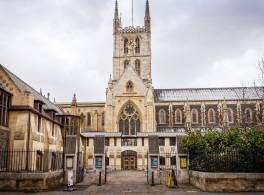
Restoration and upkeep of cathedrals
There are some 42 Anglican cathedrals in the UK, not to mention 20 or so Catholic cathedrals. Cathedrals form the most important collection of historic buildings in England. The largest and most ancient are internationally famous, the smallest are usually among the most significant buildings in their region and even the most recent are architectural masterpieces.
Master Craftsmen

Championing our heritage with modern craftsmanship
Twenty years ago, English Heritage (now Historic England) published its first-ever Register of Buildings at Risk across England, which featured nearly 2,000 buildings and monuments that were ‘neglected, broken and unloved’. Recently Historic England was delighted to announce that over two-thirds of those buildings were now safe, in both urban and rural areas right across the country.
Lightning Protection
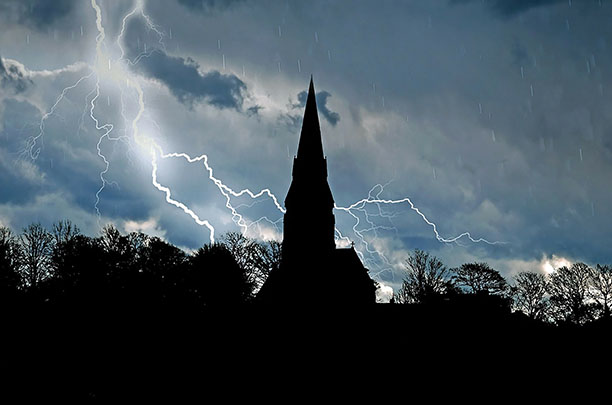
When lightning strikes are you protected against this act of God?
The issue of lightning protection in churches is one that has exercised this publication for many years. In this four-part series of spotlights on the issue we will be revisiting various aspects of the subject, beginning with an overview of current thinking.
Traditional Lime
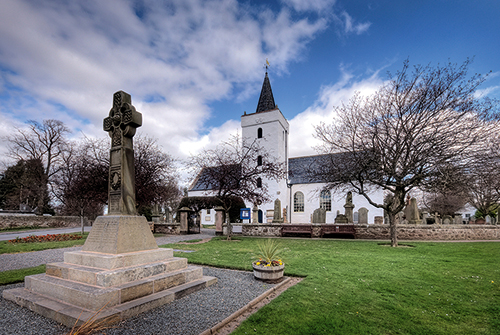
Lime: it’s better for buildings – and for the environment
It is now fairly well known that cement is not good for old buildings and that lime mortar should be used. But why? What are the advantages and what are the disadvantages? In order to begin to answer those questions it is necessary to understand the nature of traditional building, the process by which buildings used to be built, and how it differs from modern construction, the process by which we build today.
Audio Visual

Audio visual equipment in church buildings
This guidance is issued by the Church Buildings Council under section 55(1)(d) of the Dioceses, Mission and Pastoral Measure 2007. As it is statutory guidance, it must be considered with great care. The standards of good practice set out in the guidance should not be departed from unless the departure is justified by reasons that are spelled out clearly, logically and convincingly.
Read More...







Heritage Funding
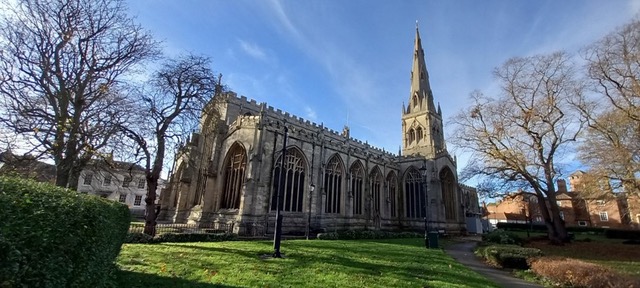
£48m heritage funding opens for churches and historic buildings
Part of £1.5 billion government investment in cultural organisations over a five-year period
Thousands of churches and historic buildings across England could benefit from a major new £48 million funding package aimed at urgent repairs, regeneration projects and wider community use.
CRE Events

Christian Resources Exhibition enters a new chapter as Church Resources Exhibition
The Christian Resources Exhibition (CRE), the UK’s largest church-related show, has changed hands in its 40th year and has been taken over by Quartz Business Media.
Insurance
You need to ensure that reasonable precautions are in place at your church to keep it safe for those who use it. To do this, you need to think about what might cause harm to people.
You will then need to decide if the precautions already in place are adequate. If they are not, you may need to identify further action to prevent any danger. When done formally, this is known as a risk assessment.
Church Maintenance
Church maintenance and repair: Calendar of Care
Just as prevention is always better than cure, maintenance is preferable to major repairs. But, such repairs may not always be avoidable. Church Care offers a monthly guide in our coming issues Starting in Spring
We can help you understand the common problems and areas that need your special attention, and give you tips for regular maintenance schemes.
Pest Control
Michael Palin warns of pest threat to churches
Michael Palin is supporting the future of the UK’s historic churches and chapels with a voiceover for a new animated film. The 80 second animation, produced for the National Churches Trust, highlights why churches are some of the nation’s best loved buildings.
Town Halls
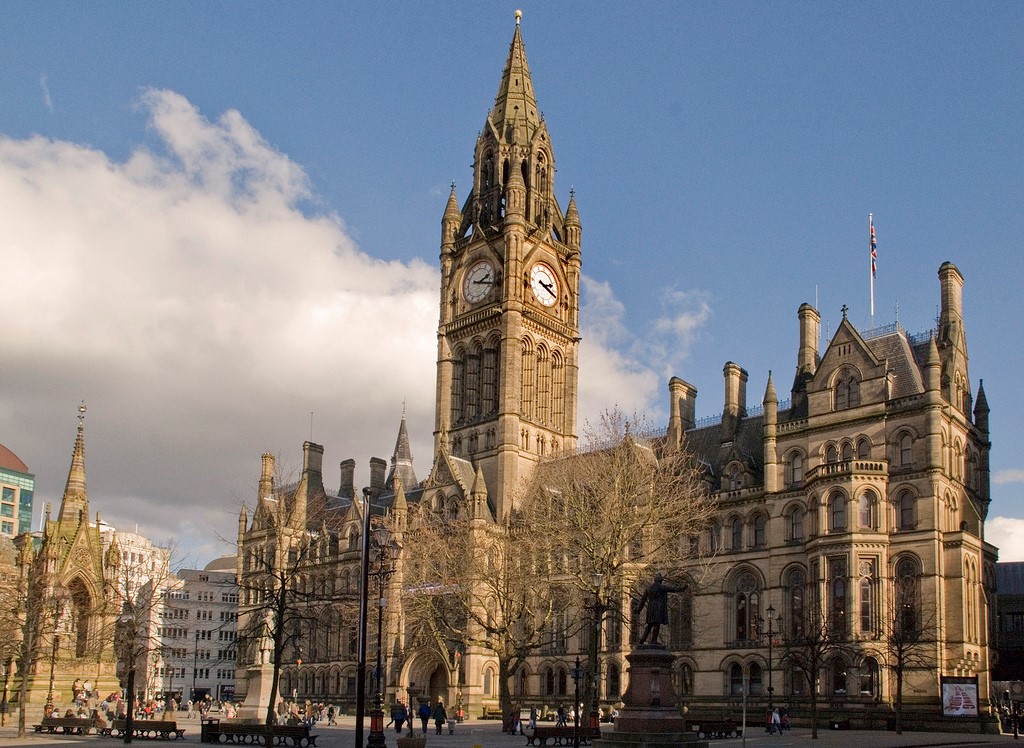
The history of the great Victorian Town Halls of Northern England
From industrial squalor to civic pride, the story behind some of the most impressive buildings of the North involve a unique mix of economics, grand designs and noble sentiments within communities.
Lead Roofing
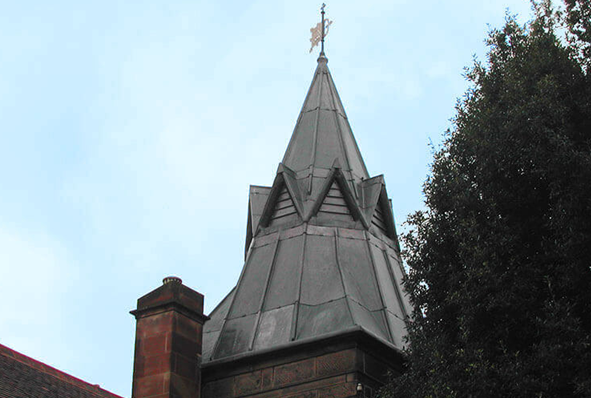
Lead is one of the oldest materials in the roofing industry and is still commonly used throughout the world today.
Lead roofing is a traditional roofing method which has been used in the industry for hundreds of years, and is therefore proven to be extremely reliable. Lead roofing, and sand-cast lead, in particular is ideal for old buildings such as churches or historical renovations, whereas milled lead roofing is a mass-produced alternative, used for precision and accuracy in homes and commercial buildings alike.

SEARCH OUR DIRECTORY
THATCH, THE ALTERNATIVE ROOFING FOR CHURCHES AND HERITAGE BUILDINGS
In these troubled times for church and heritage metal roofing we take a look at a natural alternative provided by The Thatching & Building CompanyIt has long been an attractive alternative material for traditional buildings and what is more traditional than our churches.
An important aspect of thatching is its long history with regional variations in style and choice of thatching material evolving according to availability and local weather conditions. Cereal production meant straw was widely used with only those living near areas of wetlands such as the Norfolk Broads able to utilise the available water reed. When farming became industrialised, a new method for speeding up the process of straw production saw the invention of a mechanical ‘combing’ technique which did away with the laborious task of preparing straw for thatching. This ‘combing’ process meant straw retained uniformity and led to it being quite distinctive in appearance and easier in its method of application. The process was adopted primarily in the West Country where it stayed localised and became known as ‘combed wheat’ whilst other straw areas retained the ‘long straw’ process, equally distinctive and now protected and still very much in evidence in East Anglia.
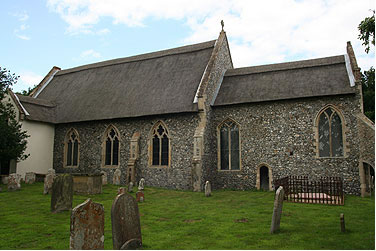
These subtle differences were unique to specific areas and until transportation enabled methods and materials to spread, local idiosyncrasies remained. The destruction of thatched buildings during the first half of the 20th century caused a crisis for thatching with its demise all but complete by the 1960s. The distinctive characteristics of the relatively few remaining buildings were subject to an increasingly uniform approach as the numbers of thatchers dwindled. This is why the distinguishing features that have survived are important to protect if we wish to preserve this aspect of traditional thatching techniques.
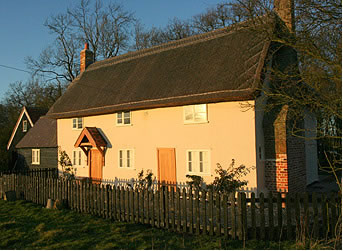
The majority of our work is on Listed Buildings. However, the fact that a building’s performance - let alone its value - is increased by the use of thatch has meant the craft is no longer seen as a relic from the past. This, together with the fact that it makes an important contribution in the effort to use sustainable, renewable building materials, means thatch is increasingly considered for new housing
It also represent a viable alternative for churches and heritage buildings.
Visit our website for contact details and further information
http://www.thatchingandbuilding.co.uk
VISIT OUR ASSOCIATED SITES